
What Is a Copper Melting Furnace?
Copper melting furnace is a special melting furnace for non-ferrous metals such as bronze, brass and electrolytic copper. It is suitable for copper ingot processing and copper foundry industries.
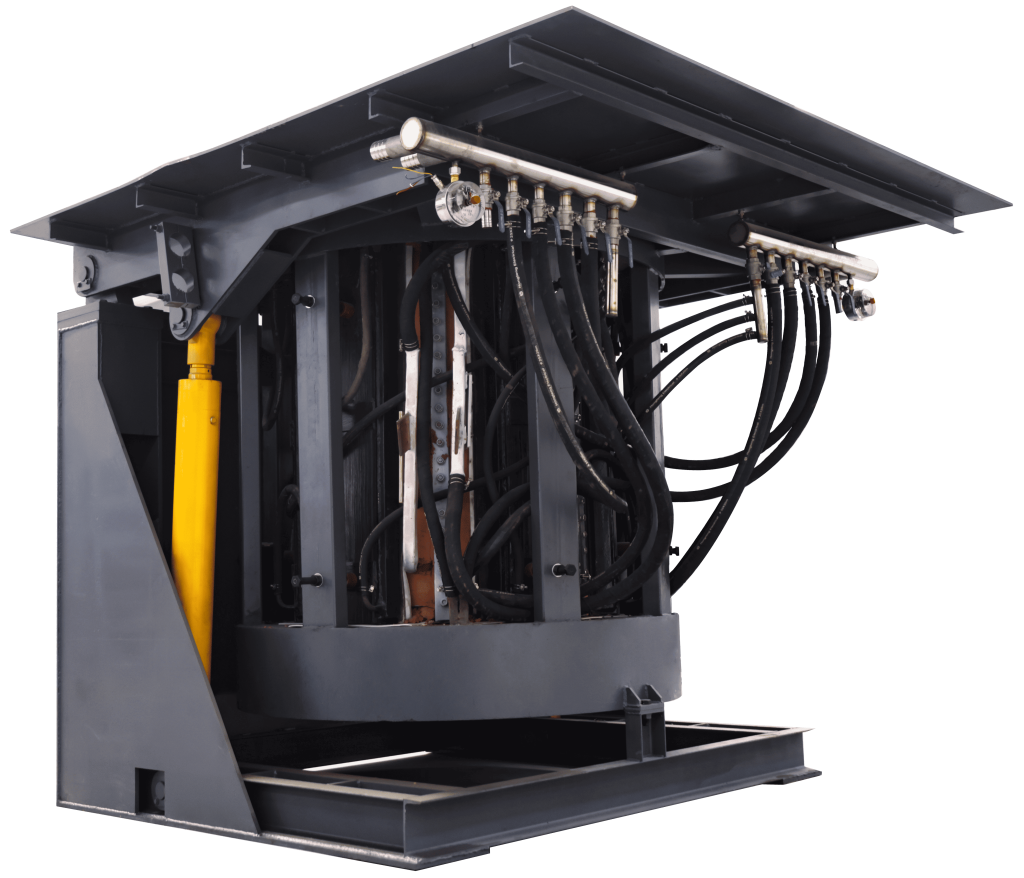
Product Features
1, Temperature controllable, fast heating speed.
2, You can choose to use graphite crucible or make furnace lining.
3, The capacity range is 0.1T-10T.
4, According to customer requirements to increase the melting control system, accurate control of the melting process.
5, The power cabinet modular installation, easy maintenance, less wearing parts.
6, Complete equipment protection. The whole machine is equipped with water temperature, water pressure, lack phase, over voltage, over current, voltage limiting / current limiting, starting over current, constant current and buffer starting, so that the equipment starts smoothly, the protection is reliable and rapid, and the running is stable.
7, Low energy consumption, high heating efficiency, compared with other heating methods, effectively reducing energy consumption, high labor productivity, no pollution, this equipment meets environmental protection requirements.
Expert Insight: Real-World Experience
Having tested multiple copper melting furnaces in workshop conditions, I focused on practical usability, safety, and operational efficiency. During continuous operation for standard copper ingots, the furnace maintained stable temperatures with minimal fluctuation, allowing consistent molten copper quality. Setting up the graphite crucible was straightforward, and the modular power cabinet made routine maintenance tasks far less disruptive than I expected.
Even with prolonged use, the protective systems performed reliably. Monitoring water pressure and temperature was intuitive, and alerts for voltage or current anomalies triggered precisely, preventing any operational hiccups. For operators concerned about energy efficiency, the furnace’s design demonstrated noticeable reductions in electricity consumption compared to conventional resistive or gas-based heating methods, without compromising heating speed or molten quality.
Choosing the Right Copper Melting Furnace
When selecting a furnace, consider:
- Capacity Needs: Ranging from 0.1T to 10T, align furnace size with production volume to optimize efficiency.
- Control Precision: Furnaces with integrated melting control systems provide consistent temperature and prevent overheating, crucial for alloyed copper.
- Maintenance and Durability: Modular cabinets and fewer wearing parts reduce downtime.
- Safety Features: Ensure water-cooling, over-current and voltage protection, and buffer starting are included.
- Energy Efficiency: Look for furnaces with rapid heating and insulation design to minimize power consumption.
Comparative Advantage
| Feature | Copper Melting Furnace | Traditional Furnace |
|---|---|---|
| Heating Speed | Fast, adjustable | Moderate |
| Energy Consumption | Low | High |
| Maintenance | Modular, fewer parts | Complex, frequent replacements |
| Safety Systems | Integrated monitoring | Basic, manual checks |
| Surface Quality | Consistent molten copper | Variable |
From practical evaluation, the copper melting furnace consistently delivers high-quality molten copper with reliable control. Compared to conventional setups, it balances speed, safety, and energy efficiency, making it suitable for both foundry operations and precise ingot processing.
Why This Furnace Stands Out
The combination of controllable temperature, integrated safety, and energy-efficient design sets this furnace apart. For operators managing alloy compositions, the precise melting control system ensures consistency, reducing rework and material waste. In addition, its modular design simplifies installation, troubleshooting, and part replacement, aligning with long-term operational cost savings.
Conclusion
For professionals in copper foundries, brass and bronze processing, and electrolytic copper operations, investing in a copper melting furnace is a decision grounded in operational efficiency, safety, and consistent product quality. Choosing a model that matches your capacity needs and integrates precise control systems ensures minimal downtime and reliable production outcomes.