
In the aluminum processing, die casting, foundry, and recycling industries, energy costs often account for 30-50% of total production expenses. With rising electricity/gas prices, stricter carbon regulations, and the push toward sustainability, selecting a genuinely energy-efficient aluminum melting furnace is no longer optional—it's essential for profitability and competitiveness.
Many suppliers claim "30% energy savings" or "80% thermal efficiency," but real-world performance frequently falls short. This guide compares major furnace types using industry-standard data (from 2025-2026 reports, manufacturer benchmarks, and practical foundry experiences), highlights the key selection metrics, and provides scenario-based recommendations to help you make the right choice.
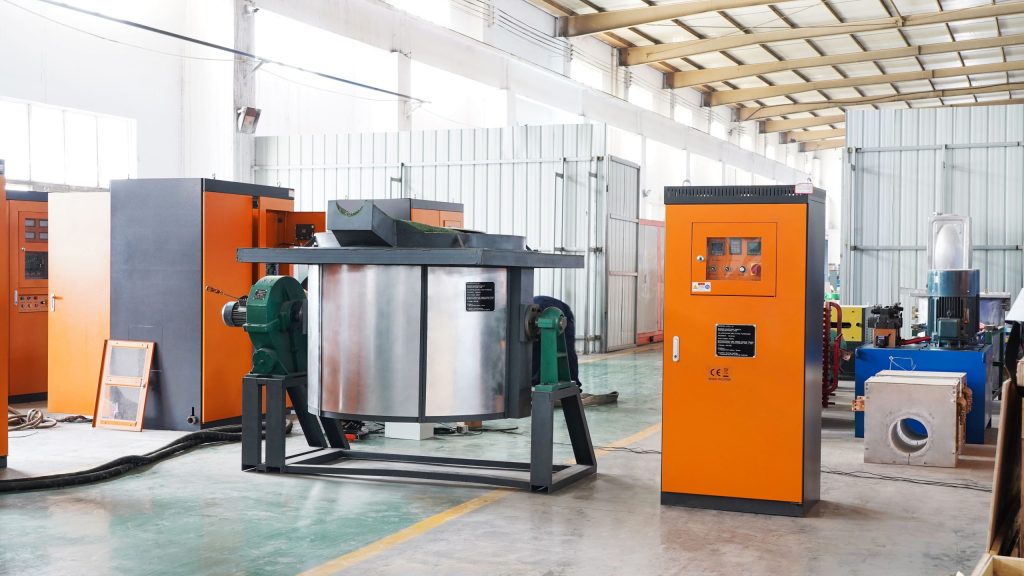
1. Real-World Energy Consumption Comparison of Main Furnace Types (2025-2026 Data)
The most common types for aluminum melting are: electric resistance furnaces, gas-fired (natural gas) reverberatory or regenerative furnaces, and medium-frequency induction furnaces. Here's a realistic ton-per-ton comparison (melting + holding, excluding degassing/refining):
| Furnace Type | Heating Method | Energy Consumption per Ton of Aluminum | Thermal Efficiency (Real-World) | Metal Loss (Oxidation/Burn-off) | Initial Investment (5-10 ton capacity reference) | Long-Term Operating Cost Ranking (Electricity ~$0.10/kWh, Gas ~$0.50/m³) |
|---|---|---|---|---|---|---|
| Traditional Electric Resistance | Resistance elements | 650–850 kWh/ton | 50–60% | 2–4% | Low ($80,000–$150,000) | Highest (most expensive) |
| Conventional Gas-Fired Reverb | Direct gas combustion | 650–800 kWh equivalent (65–80 m³ gas) | 30–45% | 3–6% | Medium ($150,000–$300,000) | Medium |
| Regenerative Gas-Fired (with heat recovery) | Gas + recuperator/regen | 500–650 kWh equivalent (50–65 m³ gas) | 55–75% | 1.5–3% | Medium-High ($250,000–$450,000) | Medium-Low |
| Medium/High-Frequency Induction | Electromagnetic induction | 480–620 kWh/ton (top models ≤550) | 70–85% (premium up to 92%) | 0.8–2% | High ($300,000–$600,000+) | Lowest (usually the most economical long-term) |
Key Takeaways:
- Induction furnaces deliver the lowest overall energy cost in most electric-price regions (especially with off-peak/ valley tariffs), thanks to direct heating of the metal (no intermediate losses).
- Regenerative gas furnaces remain competitive where gas is cheap and stable (e.g., certain areas in North America, Middle East, or Asia with subsidized gas).
- Traditional resistance furnaces are increasingly phased out for anything beyond very small-scale or special applications.
2. 5 Critical Metrics to Evaluate True Energy Efficiency
Don't rely solely on sales brochures. Demand real, third-party verified data from the supplier:
Actual Specific Energy Consumption (kWh or m³ gas per ton)
- Insist on documented 72-hour+ continuous operation tests (ideally from independent labs or existing customers).
- 2026 good benchmark: Induction ≤550 kWh/ton; Regenerative gas ≤60 m³ gas/ton.
Thermal Efficiency & Heat Recovery
- For induction: Check for air-cooled coils + high-resistivity crucibles (efficiency can reach 92%+).
- For gas: Must include regenerators/recuperators with exhaust temp ≤200°C and ≥60% heat recovery.
Metal Loss Rate (Burn-off/Oxidation)
- This is a hidden cost killer — every 1% lower loss saves ~$200–$300 per ton (at $2,000+/ton aluminum price).
- Induction usually wins here (internal heating, less exposure to oxygen).
Standby/Insulation Performance
- Furnace shell temperature should be ≤80°C (excellent ≤60°C).
- Holding power consumption ≤15% of full melting rate.
Smart Controls & Process Matching
- PID precise temperature control (±3–5°C), automatic power modulation, real-time energy dashboards.
- Furnace size/capacity must match your daily output — oversized or undersized units waste 20–40% more energy.
3. Which Type Is Most Energy-Efficient for Your Situation?
- Small to medium die-casting / extrusion plants (5–30 tons/day) → First choice: Medium-frequency induction furnace (≤550 kWh/ton models). Fast melting, low burn-off, excellent temperature uniformity, and huge savings with off-peak electricity.
- Large recycling / secondary aluminum plants (50+ tons/day) → Regenerative gas-fired shaft or double-chamber furnaces (if gas is cheap/stable). Or large induction systems if electricity is reliable and environmental regs are strict.
- Budget-limited startups or very small operations → Start with a mid-range regenerative gas furnace, then upgrade to induction once ROI is proven (typically 2–4 years payback).
4. Final Pitfall Warnings & Pro Tips
- Never trust "lab/theoretical" numbers — Always verify with real customer references and on-site energy audits.
- Calculate Total Lifecycle Cost — Purchase price + 10-year energy + maintenance + metal loss – energy savings – subsidies.
- Grab Incentives — In 2026, many regions offer 20–40% subsidies for energy-efficient/ low-carbon equipment, plus carbon credits.
Bottom line:
The most energy-efficient aluminum melting furnace is the one with the lowest real kWh (or gas equivalent) per ton, minimal metal loss, and perfect match to your energy prices and production volume — not the cheapest upfront or the flashiest brochure.
If you share your daily/annual output, local electricity/gas prices, main raw material (ingot, scrap, chips?), and target capacity, we can help you calculate a precise 5-year total cost comparison and recommend specific models!