
Core Importance of Furnace Maintenance
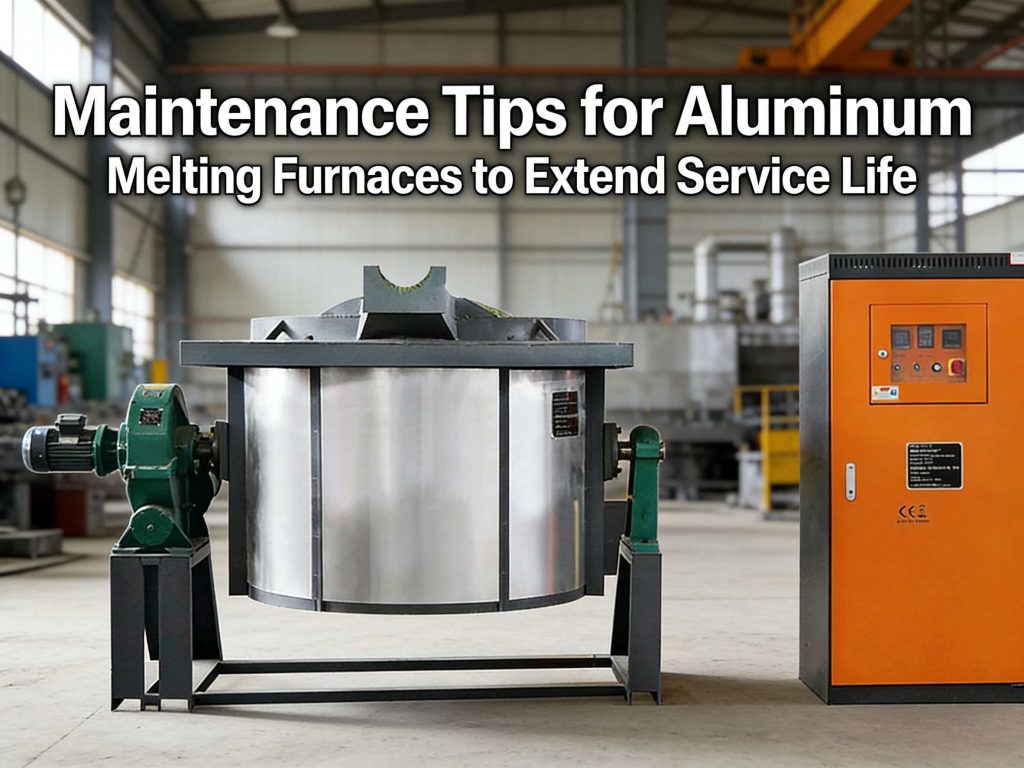
In aluminum production and recycling operations, the performance and lifespan of an aluminum melting furnace are directly tied to how well it is maintained. Routine maintenance is not just a supporting task—it is a critical operational strategy that:
- Extends furnace service life by up to 30%–50% (industry benchmark)
- Minimizes unplanned downtime and production interruptions
- Reduces costly component replacements and emergency repairs
- Ensures stable melting efficiency and consistent output quality
Neglecting maintenance often leads to refractory failure, energy inefficiency, and safety risks—ultimately increasing total operating costs.
Article Overview
This guide provides a structured, practical maintenance framework, including:
- Daily, weekly, monthly, and annual maintenance routines
- Key component-specific care strategies
- Common troubleshooting and maintenance mistakes
- Essential safety protocols
The goal is to help operators maximize furnace longevity while maintaining high efficiency.
Target Audience Value
This article is designed for:
- Furnace operators
- Maintenance technicians
- Production managers
It is especially relevant for aluminum foundries, die-casting plants, and recycling facilities seeking reliable, long-term furnace performance.
1. Pre-Maintenance Basics: Safety Protocols & Preparation
Non-Negotiable Safety Rules
Before any maintenance activity, strict safety procedures must be followed:
- Lockout-Tagout (LOTO): Ensure all power or fuel sources are completely isolated
- Cooling Down: Never inspect or repair a hot furnace
- Protective Equipment: Use heat-resistant gloves, face shields, and protective clothing
- System Shutdown Checks: Verify gas lines or electrical systems are fully secured
Failure to follow these steps can result in severe injury or equipment damage.
Essential Maintenance Tools & Supplies
Prepare the following tools and consumables:
- Refractory repair kits (castables, ramming mass)
- Industrial cleaning brushes and vacuum systems
- Temperature sensors and calibration devices
- Replacement parts: gaskets, burners, insulation materials
Using high-quality tools ensures accurate maintenance and longer-lasting repairs.
Documentation Requirement
Establish a maintenance log system to record:
- Inspection dates
- Identified issues
- Repairs performed
- Component replacements
This improves traceability, helps predict failures, and supports long-term optimization.
2. Daily Maintenance: Quick Checks for Continuous Operation
Daily maintenance focuses on identifying small issues before they escalate.
Key Daily Tasks
- Visual Inspection:
Check furnace exterior, door seals, burners or heating elements for wear, deformation, or damage - Cleaning:
Remove aluminum slag, dross, and debris from the melting chamber and charging area
→ Prevents contamination and improves heat transfer efficiency - System Monitoring:
Verify temperature control systems, pressure gauges, and alarms are functioning correctly - Connection Checks:
- Fuel-fired furnaces: Inspect gas lines for leaks
- Electric furnaces: Check cables and terminals for looseness or overheating
These tasks typically take less than 30 minutes but significantly reduce failure risks.
3. Weekly & Monthly Maintenance: Deep Cleaning & Component Inspection
3.1 Weekly Maintenance Tasks
- Clean flue pipes, exhaust systems, and heat exchangers to remove carbon deposits
- Inspect and tighten door gaskets to prevent heat loss
- Test safety interlocks, emergency stop systems, and ventilation systems
Neglecting weekly cleaning can reduce thermal efficiency by 5%–15%.
3.2 Monthly Maintenance Tasks
- Inspect refractory lining (walls, bottom, crucible area) for cracks or erosion
- Lubricate moving parts such as charging systems and furnace doors
- Calibrate temperature sensors and pyrometers for accurate control
- Check insulation layers and replace degraded sections
Accurate temperature control alone can reduce energy consumption by 10%–20%.
4. Annual Overhaul: Major Repairs & Component Replacement
Annual maintenance is critical for long-term reliability.
Key Overhaul Activities
- Refractory Lining Repair or Replacement
The most critical factor affecting furnace lifespan - Burner System Overhaul (Fuel Furnaces)
- Clean nozzles
- Adjust air-fuel ratio
- Remove combustion residues
- Electric Heating System Maintenance
- Replace worn heating elements
- Inspect transformers and connections
- Component Replacement
Replace gaskets, seals, hoses, and aging electrical wiring - System Testing & Optimization
Conduct full performance testing after maintenance
A proper annual overhaul can restore up to 90% of original furnace efficiency.
5. Key Component-Specific Maintenance Tips
Refractory Lining Care
- Avoid rapid heating and cooling cycles (thermal shock)
- Follow proper drying and curing procedures after repairs
- Repair small cracks immediately to prevent structural failure
Burner & Combustion System
- Clean burners regularly to maintain stable combustion
- Use high-quality fuel to reduce residue buildup
- Optimize airflow for complete combustion and energy efficiency
Crucible Maintenance
- Preheat gradually before use
- Remove dross frequently to prevent contamination
- Replace crucibles before visible cracking worsens
Control & Safety Systems
- Calibrate sensors and control panels regularly
- Update firmware for automated systems when applicable
- Ensure alarm systems are always functional
6. Common Maintenance Mistakes to Avoid
Avoid these frequent errors that significantly shorten furnace lifespan:
- Ignoring small refractory cracks until major failure occurs
- Overheating or skipping proper preheating/cooling cycles
- Using low-quality replacement parts to reduce short-term costs
- Skipping calibration of temperature and control systems
- Neglecting safety inspections
These mistakes often lead to higher long-term costs and unexpected downtime.
7. Benefits of Proactive Maintenance
Implementing a structured maintenance strategy delivers measurable advantages:
- 30%–50% longer service life
- Reduced unplanned downtime and production losses
- Lower energy consumption and improved melting efficiency
- Enhanced operational safety and regulatory compliance
In competitive manufacturing environments, maintenance is not a cost—it is a performance investment.
Conclusion
Maintaining an aluminum melting furnace requires a consistent and structured approach across daily, periodic, and annual routines. From simple cleaning tasks to major refractory repairs, each step plays a crucial role in ensuring stable operation and long-term durability.
Proactive maintenance not only extends equipment lifespan but also improves efficiency, reduces operational costs, and enhances workplace safety.
Start implementing a systematic maintenance plan today, and ensure your furnace operates at peak performance for years to come.
Contact Us for Professional Support
Looking to improve the performance and lifespan of your aluminum melting furnace?
Our team provides expert technical support, customized maintenance solutions, and high-quality furnace equipment tailored to your production needs. Whether you need guidance on maintenance, spare parts supply, or a complete furnace upgrade, we are here to help.
👉 Contact us today to get professional advice and optimize your aluminum melting operations.