
Introduction
In aluminum processing plants, stable operation of equipment directly affects production efficiency and product quality. A properly operated Aluminum Melting Furnace ensures consistent melting performance, reduces energy loss, and extends equipment lifespan.
This guide focuses on practical operation rules and maintenance precautions to help operators avoid common mistakes and improve furnace durability in real production environments.
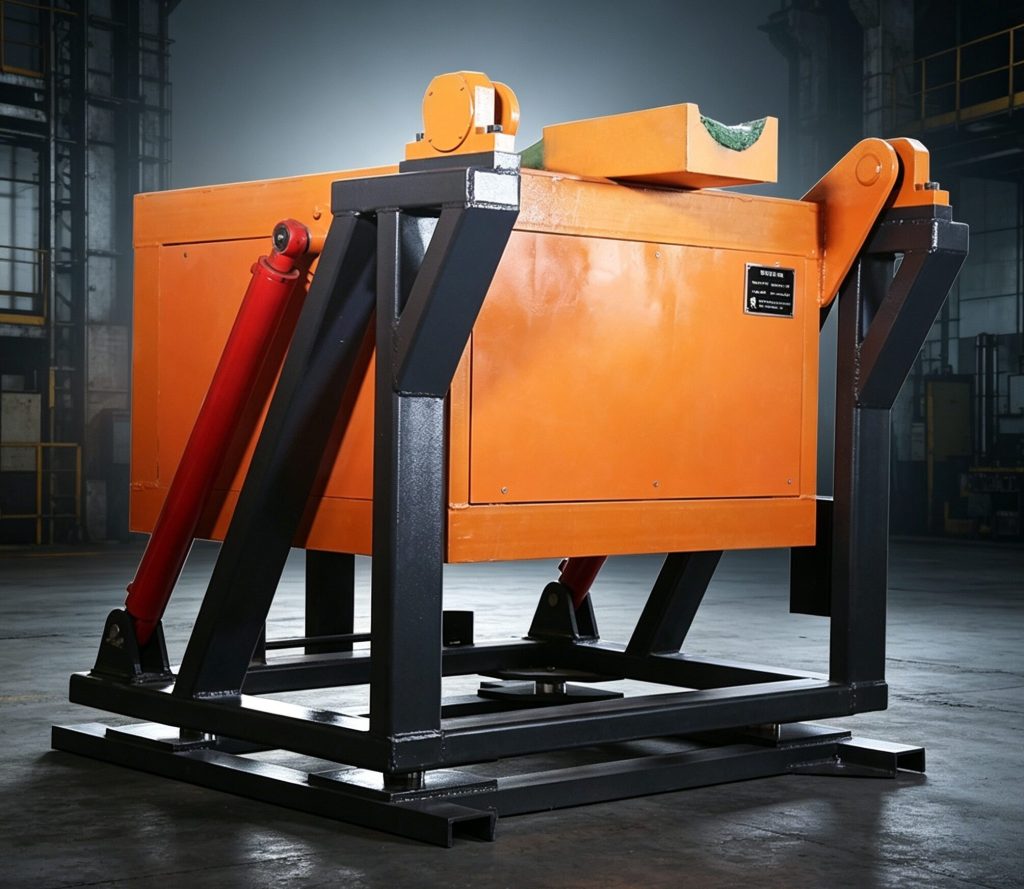
Furnace Structure Overview
The furnace shell is typically constructed of welded steel, while the furnace lining is built with refractory materials. Refractory materials are brittle and have low thermal conductivity, resulting in poor heat transfer properties. During production and operation, rapid heating and cooling should be avoided. Rapid heating and cooling can easily damage the furnace lining and shorten the furnace’s service life. When performing process operations inside the furnace, do not open all furnace doors simultaneously; open only the door at the workstation to prevent a sudden drop in furnace temperature. When no process operations are being performed inside the furnace or when the furnace is not in operation, ensure that all furnace doors are securely closed.
Key Operating Principles for Aluminum Melting Furnace
1. Temperature Stability Control
Stable thermal conditions are critical for maintaining furnace integrity and ensuring melting quality.
| Operation Stage | Recommended Practice |
|---|---|
| Heating Stage | Gradual temperature increase |
| Operating Stage | Maintain stable internal temperature |
| Cooling Stage | Controlled cooling process |
Improper temperature changes can significantly shorten the service life of an industrial melting furnace.
2. Furnace Door Operation Rules
- Do not open all furnace doors simultaneously
- Only open the workstation door during operation
- Keep all furnace doors closed when not in use
This helps maintain thermal balance and prevents sudden heat loss inside the furnace chamber.
Proper Furnace Operation Guidelines
When performing process operations inside the furnace, avoid striking the furnace lining with tools to prevent damage to the lining. Additionally, prevent molten aluminum from splashing onto the heating elements to avoid short circuits that could damage them. When loading solid materials into the furnace, place them gently inside; do not throw them in, to avoid damaging the furnace lining and to prevent molten aluminum from splashing onto the heating elements.
Common Operational Mistakes
| Mistake | Possible Consequence |
|---|---|
| Rapid heating/cooling | Furnace lining cracking |
| Opening multiple doors | Temperature instability |
| Mechanical impact on lining | Structural damage |
| Molten aluminum splashing | Heating element failure |
| Rough material charging | Refractory wear |
Avoiding these mistakes is essential for maintaining a stable aluminum melting furnace system.
Maintenance Strategy for Longer Service Life
Routine Maintenance Checklist
| Item | Frequency | Purpose |
|---|---|---|
| Furnace lining inspection | Weekly | Detect cracks early |
| Heating element check | Monthly | Prevent electrical failure |
| Door sealing inspection | Daily | Maintain thermal efficiency |
| Temperature system calibration | Monthly | Ensure accurate control |
Maintenance Recommendations
- Regularly inspect refractory lining condition
- Replace damaged lining materials in time
- Ensure heating elements are protected from aluminum splash
- Avoid overloading furnace capacity beyond design limits of furnace capacity selection
FAQ – Aluminum Melting Furnace Operation and Maintenance
1. Why is furnace lining easily damaged?
Because refractory materials are brittle and have low thermal conductivity, making them sensitive to thermal shock and mechanical impact.
2. How can I extend furnace service life?
By avoiding rapid temperature changes, preventing mechanical damage, and following proper operation procedures of the Aluminum Melting Furnace.
3. What causes heating element failure?
Main reasons include:
- Molten aluminum splash
- Electrical short circuits
- Improper loading operation
4. Is stable operation important for furnace performance?
Yes. Stable operation directly improves energy efficiency, reduces wear, and extends equipment lifespan.
Conclusion
Proper operation and maintenance of an Aluminum Melting Furnace are essential to ensure stable production, reduce downtime, and extend equipment lifespan. Following correct procedures significantly improves furnace reliability and reduces long-term operating costs.
Contact Us for Professional Furnace Solutions
If you are looking for high-efficiency Aluminum Melting Furnace systems, customized induction melting furnace solutions, or technical support for industrial furnace operation, our team is ready to assist.
We provide:
- Customized furnace design and engineering solutions
- Energy-efficient melting systems
- Professional operation and maintenance guidance
- Global technical support for industrial clients
Contact us today to improve your furnace performance and optimize production efficiency.