
Aluminum melting is one of the most energy-intensive processes in aluminum casting and recycling operations. Choosing the right furnace directly affects energy consumption, metal yield, production efficiency, environmental compliance, and long-term operating costs.
Among the available technologies, induction aluminum melting furnaces and gas-fired melting furnaces are the two most widely used solutions. Both are capable of melting aluminum alloys efficiently, but they operate on completely different principles and are suitable for different production environments.
This article compares the two furnace types from technical, economic, and operational perspectives to help manufacturers make a more informed investment decision.
Understanding the Two Technologies
What Is an Induction Aluminum Melting Furnace?
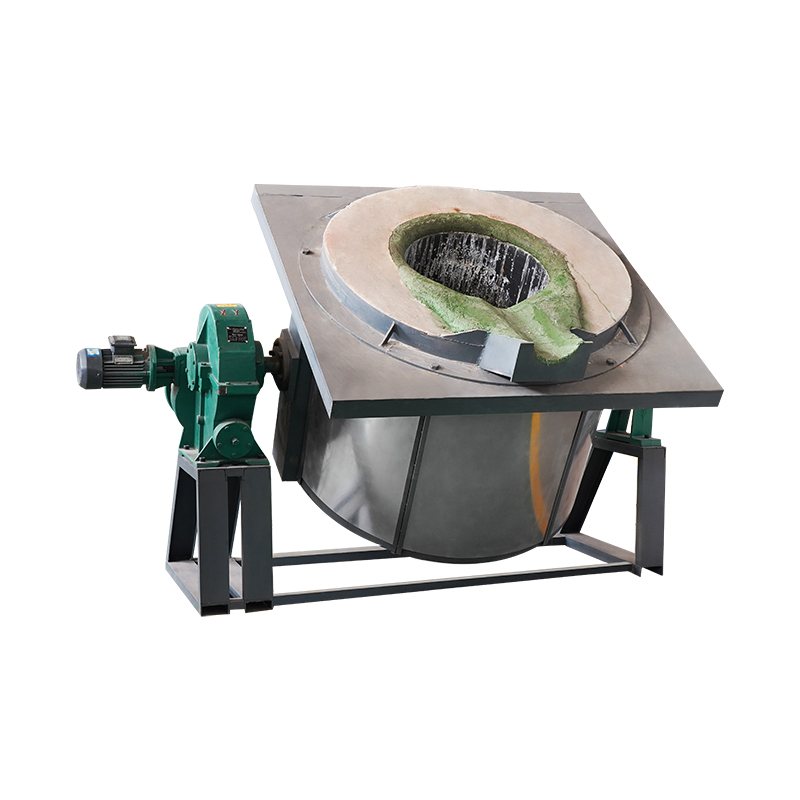
An induction melting furnace uses electromagnetic induction to generate eddy currents directly inside the metal charge. The electrical energy is converted into heat within the aluminum itself, resulting in rapid and highly efficient melting.
Because heat is generated internally rather than transferred from an external flame, induction furnaces offer precise temperature control and minimal thermal losses.
Typical applications include:
- Aluminum casting foundries
- Precision casting plants
- Die-casting operations
- Aluminum alloy production
- High-quality recycled aluminum processing
What Is a Gas-Fired Aluminum Melting Furnace?
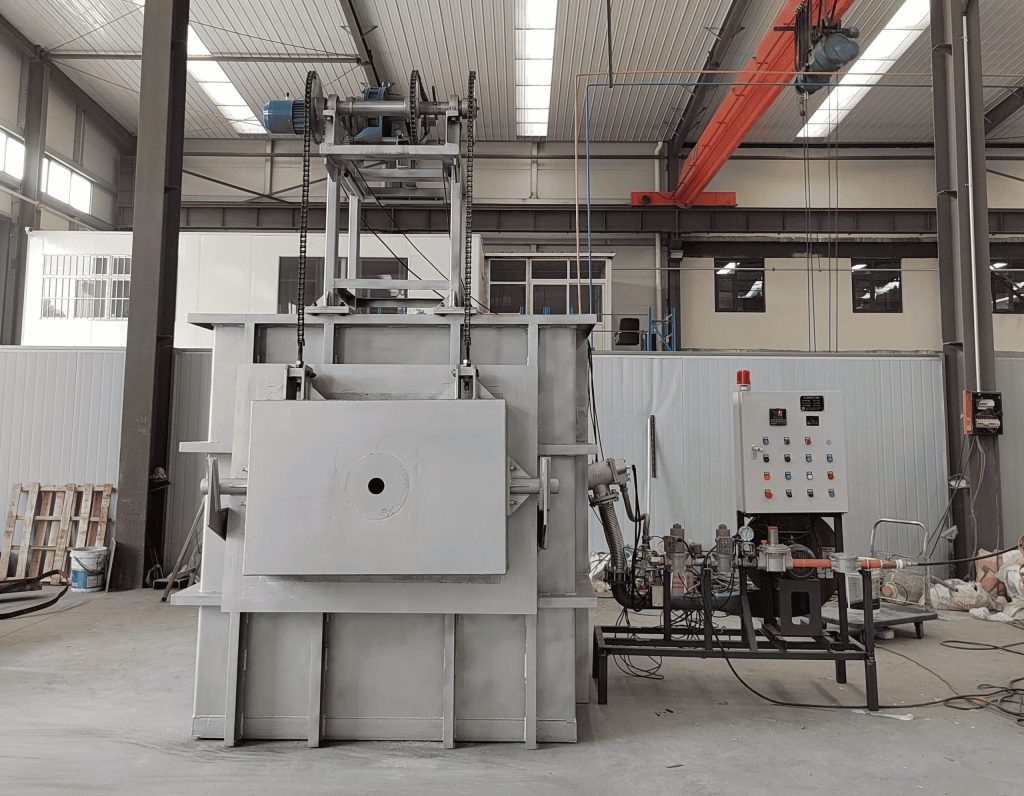
A gas furnace burns natural gas, LPG, diesel, or heavy oil to produce heat. The heat is transferred through combustion gases and refractory walls before reaching the aluminum charge.
Gas-fired furnaces are commonly used in:
- Large-volume aluminum recycling plants
- Secondary aluminum production
- Continuous melting operations
- Facilities with low electricity availability
Although the technology has been used for decades, modern environmental regulations and rising fuel costs are changing the economics of gas-fired melting.
Technical Comparison
Melting Efficiency
The most fundamental difference lies in how efficiently energy is converted into useful heat.
| Parameter | Induction Furnace | Gas Furnace |
|---|---|---|
| Energy Conversion Efficiency | 65–85% | 25–45% |
| Heat Transfer Method | Direct Internal Heating | External Flame Heating |
| Heat Loss | Low | High |
| Temperature Uniformity | Excellent | Moderate |
In an induction furnace, energy is generated directly within the metal bath. Very little heat escapes to the surrounding environment.
In contrast, gas furnaces lose substantial energy through exhaust gases, furnace walls, and radiation losses. Even with regenerative burners, a significant portion of combustion energy never reaches the molten aluminum.
For facilities operating multiple shifts, this efficiency difference can have a major impact on annual operating costs.
Melting Speed
Production efficiency often determines profitability.
For a 1-ton aluminum charge:
| Furnace Type | Typical Melting Time |
| Induction Furnace | 40–90 minutes |
| Gas Furnace | 90–180 minutes |
Actual performance depends on alloy composition, charging practices, furnace design, and power availability.
Because induction furnaces heat the metal directly, they generally achieve faster melting rates and shorter production cycles.
This advantage becomes particularly important for foundries handling multiple alloy grades or frequent production changes.
Metal Loss and Oxidation
Many buyers focus only on energy consumption while overlooking metal loss.
In aluminum melting, oxidation creates dross. Every kilogram of dross represents lost metal and reduced profitability.
Induction Furnace
- Minimal flame exposure
- Lower surface oxidation
- Reduced dross formation
- Typical metal loss: 1–3%
Gas Furnace
- Continuous contact with combustion gases
- Higher oxidation rates
- Increased dross generation
- Typical metal loss: 3–8%
For a plant melting thousands of tons annually, even a 2–3% reduction in metal loss can offset a significant portion of the equipment investment.
This is one reason why induction technology is increasingly adopted by manufacturers producing high-value aluminum alloys.
Temperature Control Accuracy
Modern aluminum casting often requires tight temperature tolerances.
For example:
- Gravity casting: typically 680–760°C
- Die casting: typically 650–720°C
- Precision aluminum alloys may require even narrower temperature windows
Induction furnaces can usually maintain temperature fluctuations within approximately ±5°C when equipped with automatic control systems.
Gas furnaces often experience wider fluctuations due to burner cycling, combustion conditions, and furnace loading.
More stable temperatures contribute to:
- Improved casting quality
- Reduced porosity
- Better alloy consistency
- Lower scrap rates
Environmental Impact
Environmental regulations are becoming increasingly strict worldwide.
Induction Furnace
Produces no direct combustion emissions during operation.
Advantages include:
- No burner emissions
- No flue gas treatment requirement
- Lower workplace temperatures
- Cleaner working environment
Gas Furnace
Combustion generates:
- CO₂
- NOₓ
- CO
- Particulate emissions
Additional exhaust treatment systems may be required to comply with local regulations.
For companies exporting castings to markets with strict sustainability requirements, furnace selection may also influence environmental certification efforts.
Initial Investment vs Operating Cost
A common misconception is that gas furnaces are always cheaper.
The reality is more complex.
Initial Investment
| Item | Induction Furnace | Gas Furnace |
| Equipment Cost | Higher | Lower |
| Installation Cost | Moderate | Moderate |
| Auxiliary Systems | Cooling System Required | Gas Supply System Required |
Gas furnaces typically have a lower upfront purchase cost.
Long-Term Operating Cost
Operating cost depends largely on:
- Local electricity prices
- Natural gas prices
- Annual production volume
- Production schedule
For high-utilization facilities operating year-round, the superior energy efficiency and lower metal loss of induction furnaces often compensate for the higher initial investment.
A proper economic analysis should evaluate the total cost of ownership over 5–10 years rather than focusing solely on equipment price.
Maintenance Requirements
Induction Furnace
Main maintenance items:
- Induction coils
- Power supply system
- Water-cooling system
- Furnace lining
No burners or combustion control systems are required.
Gas Furnace
Maintenance typically includes:
- Burners
- Fuel valves
- Air supply systems
- Combustion control equipment
- Exhaust systems
The complexity of the combustion system generally results in more routine maintenance work.
Which Furnace Is Better for Different Applications?
Choose an Induction Furnace If:
- Product quality is a priority
- Energy efficiency is important
- Electricity supply is stable
- Production involves multiple alloy grades
- Environmental compliance requirements are strict
- Metal yield must be maximized
Choose a Gas Furnace If:
- Fuel prices are significantly lower than electricity prices
- Large-scale continuous melting is required
- Initial investment budget is limited
- Local electrical infrastructure is insufficient
Final Thoughts
There is no universally "best" aluminum melting furnace. The optimal choice depends on production volume, energy prices, alloy requirements, environmental regulations, and long-term operating strategy.
For most modern foundries producing high-quality aluminum castings, induction aluminum melting furnaces offer superior energy efficiency, lower oxidation loss, better temperature control, and a cleaner production environment.
Gas-fired furnaces remain a practical solution for certain large-scale recycling and continuous melting applications, particularly where fuel costs are low and electricity availability is limited.
When evaluating a new melting system, manufacturers should compare not only the purchase price but also energy consumption, metal yield, maintenance requirements, and total lifecycle cost. In many cases, these factors ultimately have a greater impact on profitability than the initial equipment investment.