
1. Introduction
In modern steel and non-ferrous metal production, the continuous casting machine has become a core piece of equipment, replacing traditional ingot casting in most industrial applications. By converting molten metal directly into semi-finished products such as billets, slabs, or blooms, it significantly improves efficiency, reduces energy consumption, and enhances product quality.
For plant managers and buyers, understanding how a continuous casting machine works—and how to select the right configuration—is essential for long-term performance and return on investment.
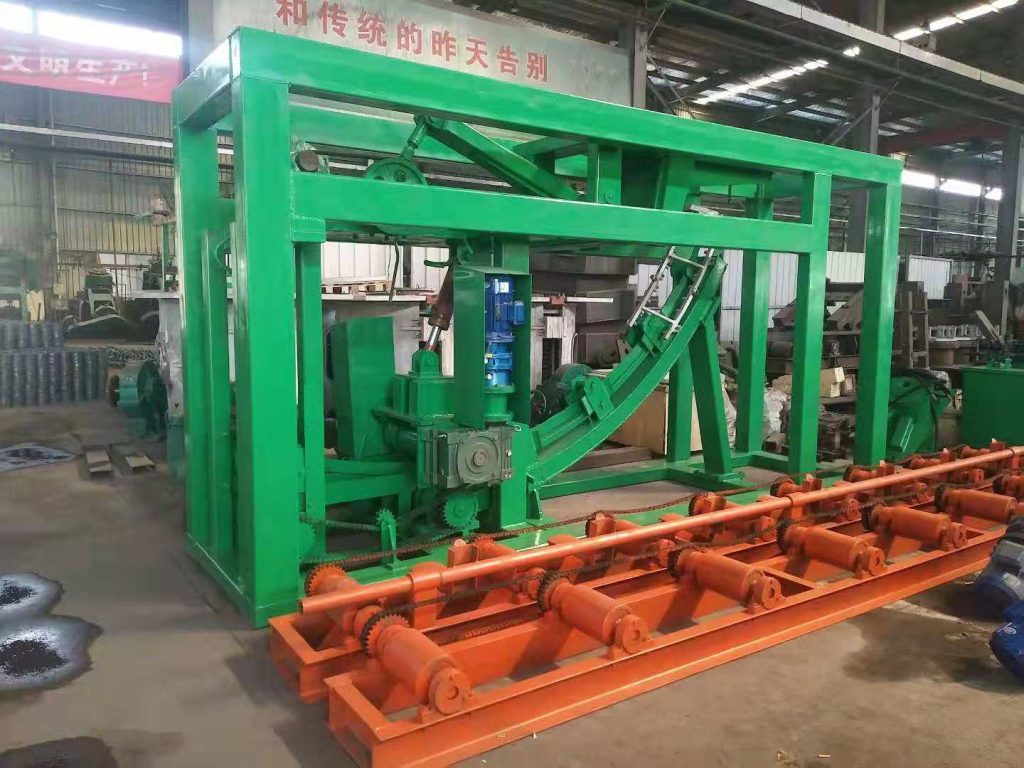
2. What Is a Continuous Casting Machine?
A continuous casting machine (CCM) is used to solidify molten metal into a continuous strand, which is then cut into specific lengths.
Key Functions:
- Continuous solidification of molten metal
- Formation of required shapes (billet, slab, bloom)
- Controlled cooling to ensure internal quality
Typical Output Forms:
| Product Type | Cross Section | Application |
|---|---|---|
| Billet | Square (100–200 mm) | Rebar, wire rod |
| Slab | Rectangular | Plate, sheet |
| Bloom | Large square | Structural steel |
| Round billet | Circular | Pipes, forgings |
3. Continuous Casting Process
3.1 Molten Metal Transfer
Molten metal is poured from the ladle into a tundish, which stabilizes flow and removes inclusions.
3.2 Mold Solidification
The molten metal enters a water-cooled copper mold where a solid shell forms rapidly.
3.3 Secondary Cooling
The strand passes through spray cooling zones to complete solidification.
3.4 Straightening and Cutting
The fully solidified strand is straightened and cut into required lengths.
4. Types of Continuous Casting Machines
4.1 Vertical Continuous Casting Machine
- Simple structure
- Suitable for small-scale plants
- Lower initial investment
4.2 Curved Continuous Casting Machine
- Most widely used design
- Better space utilization
- Stable casting performance
4.3 Horizontal Continuous Casting Machine
- Common for copper and aluminum
- Compact layout
- Easier maintenance
5. Key Technical Parameters
| Parameter | Typical Range | Notes |
|---|---|---|
| Casting Speed | 0.5–5.0 m/min | Depends on alloy and section size |
| Billet Size | 60×60 mm – 200×200 mm | Customizable |
| Number of Strands | 1–8 strands | Directly affects output |
| Cooling System | Water spray | Critical for defect control |
| Automation Level | Semi to fully automatic | Impacts labor and consistency |
6. Advantages of Continuous Casting Machine
Compared with traditional ingot casting, a continuous casting machine offers:
- Higher production efficiency
- Lower energy consumption (typically reduced by 10–20%)
- Improved internal structure quality
- Reduced material waste
- Better surface finish
7. How to Choose the Right Continuous Casting Machine
7.1 Define Production Requirements
- Target output (tons per day)
- Product type (billet, slab, bloom)
7.2 Match Upstream Equipment
Ensure compatibility with:
- Induction furnace
- Electric arc furnace
7.3 Select Appropriate Automation Level
- Manual systems: lower cost
- Fully automatic systems: higher efficiency and stability
7.4 Evaluate Cooling and Mold Quality
Cooling performance directly affects crack formation and internal defects.
7.5 Assess Supplier Capability
- Engineering experience
- Installation support
- After-sales service
8. Applications
A continuous casting machine is widely used in:
- Steel plants
- Foundries
- Aluminum processing facilities
- Copper production lines
9. FAQ
Q1: What is the difference between continuous casting and ingot casting?
Continuous casting produces semi-finished shapes directly, while ingot casting requires reheating and rolling, increasing both time and energy consumption.
Q2: What is the typical service life of a continuous casting machine?
With proper maintenance, a continuous casting machine can operate for 10–20 years.
Q3: How can casting quality be improved?
- Optimize the cooling system
- Use high-quality molds
- Maintain stable pouring temperature
Q4: Can one machine produce different billet sizes?
Yes, most modern continuous casting machines support adjustable mold configurations.
10. Conclusion
A properly selected continuous casting machine plays a critical role in improving efficiency and product quality in modern metal production. Understanding the process, machine types, and selection criteria helps buyers make informed decisions and achieve long-term operational success.