
What Is Aluminum Melting?
Aluminum melting is the process of heating solid aluminum—such as ingots, scrap, or recycled materials—until it reaches a liquid state for casting or further processing.
This process is widely used in:
- Foundries
- Aluminum recycling plants
- Automotive and parts manufacturing
Compared with other metals, aluminum has a relatively low melting point, making it easier to process but also more sensitive to oxidation and metal loss.
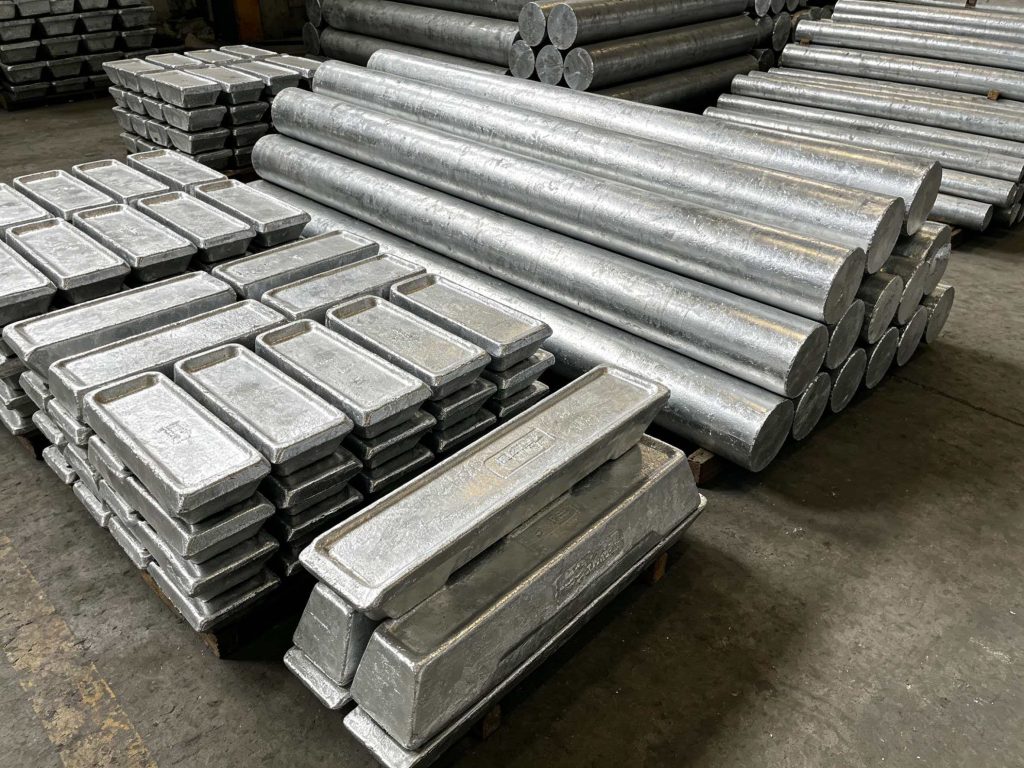
Aluminum Melting Temperature and Properties
The aluminum melting temperature is approximately:
- 660°C (1220°F)
However, in real production, the working temperature is usually higher:
| Stage | Temperature Range |
|---|---|
| Initial melting | 660–700°C |
| Holding & refining | 700–750°C |
| Casting | 680–730°C |
Key insight:
Operating too high increases oxidation loss, while too low affects fluidity.
How to Melt Aluminum (Step-by-Step Process)
The basic aluminum melting process includes the following steps:
1. Material Preparation
- Clean aluminum scrap or ingots
- Remove oil, paint, and moisture
2. Charging the Furnace
- Load material evenly
- Avoid overloading
3. Heating
- Gradually increase temperature
- Prevent thermal shock
4. Melting and Refining
- Remove slag (dross)
- Use flux if needed
5. Pouring or Casting
- Transfer molten aluminum
- Maintain stable temperature
How to Melt Scrap Aluminum Efficiently
When dealing with scrap aluminum melting, efficiency depends on material quality and process control.
Key factors:
- Scrap cleanliness
- Furnace type
- Temperature control
- Oxidation management
Practical tips:
- Preheat scrap to remove moisture
- Avoid excessive stirring
- Use proper flux to reduce impurities
In industrial settings, poor control can lead to 5%–15% metal loss.
Best Furnace for Melting Aluminum
Choosing the right aluminum melting furnace directly impacts cost and efficiency.
| Furnace Type | Features | Suitable For |
|---|---|---|
| Crucible Furnace | Simple, low cost | Small workshops |
| Gas Furnace | Widely used | Medium-scale production |
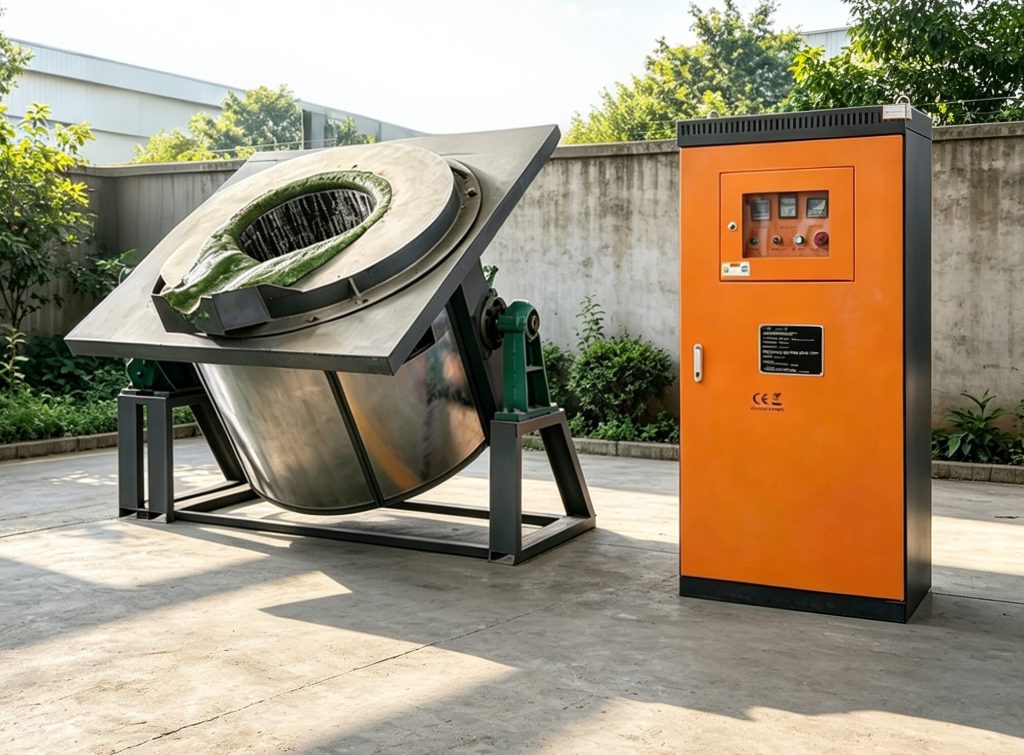
| Induction Furnace | High efficiency, clean, precise control | Industrial use |
For serious production, induction furnaces are preferred due to:
- Lower energy consumption
- Faster melting speed
- Better temperature control
Common Problems in Aluminum Melting and Solutions
1. High Oxidation Loss
Cause:
- Excessive temperature
- Poor slag removal
Solution:
- Control temperature precisely
- Reduce exposure to air
2. High Energy Consumption
Cause:
- Inefficient furnace
- Heat loss
Solution:
- Upgrade to induction furnace
- Improve insulation
3. Impurities in Molten Aluminum
Cause:
- Contaminated scrap
Solution:
- Pre-treatment
- Use refining agents
Industrial Aluminum Melting: Equipment and Efficiency
In industrial production, manual melting methods are not sufficient.
Modern industrial aluminum melting focuses on:
- Automation
- Energy efficiency
- Stable output quality
Typical system includes:
- Induction melting furnace
- Power supply system
- Cooling system
- Dust collection system
Efficiency comparison:
| Method | Efficiency | Control | Cost |
|---|---|---|---|
| Manual melting | Low | Poor | Low |
| Gas furnace | Medium | Moderate | Medium |
| Induction furnace | High | Excellent | Higher initial, lower long-term |
For scrap recycling plants, switching to induction systems can significantly reduce energy cost per ton.
Conclusion
Understanding how to melt aluminum is essential, but real efficiency comes from proper equipment and process control.
For small-scale use, simple methods may work.
For industrial production, choosing the right aluminum melting furnace is the key to:
- Lower cost
- Higher output
- Better metal quality
FAQ
1. What is the best way to melt aluminum?
The best method depends on scale. For industrial use, induction furnaces offer the highest efficiency and control.
2. Can you melt aluminum at home?
Yes, but safety risks are high. Industrial systems are recommended for consistent results.
3. What temperature is needed to melt aluminum?
Aluminum melts at about 660°C, but industrial processes usually operate between 700–750°C.
4. How do you reduce aluminum melting loss?
Control temperature, reduce oxidation, and use proper refining techniques.
5. What furnace is best for scrap aluminum?
Induction furnaces are widely used due to efficiency, cleanliness, and precise control.
Contact Us for Aluminum Melting Solutions
If you are planning to improve your aluminum melting efficiency or set up a scrap aluminum recycling line, choosing the right equipment is critical.
We provide customized aluminum melting furnace solutions based on your production capacity, raw material type, and energy requirements. Whether you are operating a small workshop or a large-scale plant, our team can help you select the most suitable system.
Contact us today to get:
- Equipment recommendations tailored to your needs
- Technical support for aluminum melting processes
- A detailed quotation and project proposal
Start optimizing your aluminum melting process with the right solution.