
As electricity prices remain volatile in 2026 and carbon reporting requirements tighten in many regions, energy efficiency has become a core evaluation factor when upgrading or investing in a continuous rolling mill.
For medium and large steel producers, rolling operations typically account for 15–25% of total plant electricity consumption. Understanding realistic energy benchmarks per ton is therefore essential for investment planning and operational optimization.
This article summarizes current industry data and practical performance ranges for modern continuous rolling mills.
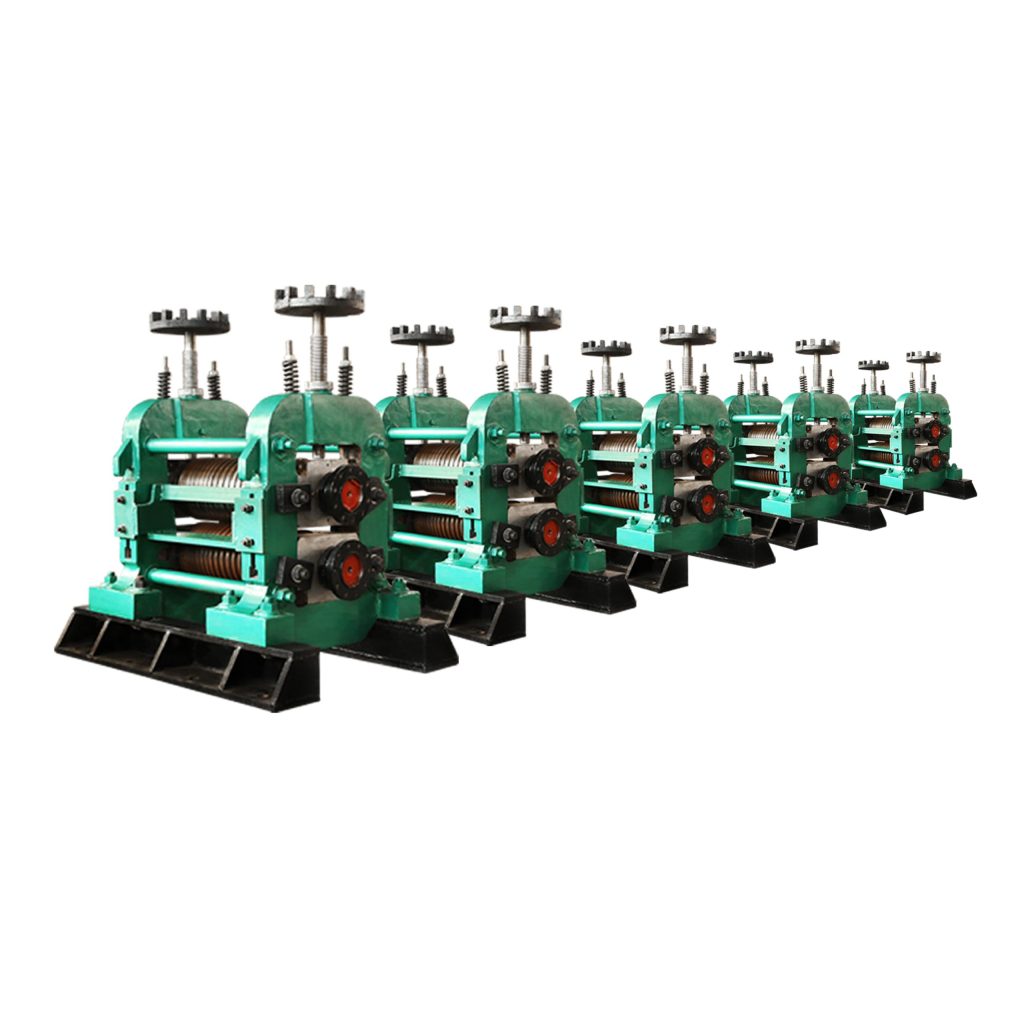
Typical Energy Consumption per Ton
Energy consumption depends on:
- Product type (rebar, wire rod, section steel)
- Rolling speed
- Automation level
- Billet temperature consistency
- Mechanical condition of equipment
Rebar Rolling Mills
Modern rebar rolling mills typically consume:
- 70–95 kWh per ton
Older or mechanically inefficient systems may reach:
- 110–130 kWh per ton
Energy below 70 kWh/ton is rare and usually requires high automation, optimized pass design, and stable billet reheating.
Wire Rod Mills
High-speed wire rod mills consume slightly more due to finishing block speed and cooling systems:
- 85–110 kWh per ton
High-speed mills operating above 90 m/s often experience higher auxiliary system loads.
Where Energy Is Consumed
In a standard rolling line, electricity is distributed approximately as follows:
- Main rolling motors: 55–65%
- Auxiliary systems (shear, cooling, conveyors): 15–20%
- Automation and control systems: 3–5%
- Water treatment and cooling pumps: 10–15%
Main motor efficiency therefore has the largest impact on total power consumption.
Modern AC drive systems typically achieve:
- 95–97% electrical efficiency
DC systems often operate at:
- 88–92% efficiency
This difference alone can reduce overall consumption by 5–8 kWh per ton.
Key Factors Affecting Power Consumption
1. Billet Temperature Stability
Recommended reheating range for carbon steel rebar:
- 1,050–1,150°C
If billet temperature drops below optimal range:
- Rolling force increases
- Motor load rises
- Energy consumption increases by 5–10%
2. Pass Design Efficiency
Optimized deformation distribution:
- Reduces motor overload
- Improves yield rate
- Lowers power fluctuation
Improper pass design can increase energy use by 8–12%.
3. Rolling Speed
Higher finishing speeds increase output, but:
- Bearing friction rises
- Gearbox load increases
- Auxiliary system power demand grows
Excessive speed without structural optimization leads to diminishing efficiency returns.
Yield Rate and Its Hidden Energy Impact
Energy consumption per ton is strongly linked to yield.
If yield drops from 97% to 94%:
- Effective energy cost per finished ton increases by approximately 3%
Scale loss in well-controlled systems:
- 1–2%
Poor oxidation control may increase scale loss above 3%.
2026 Efficiency Trend: Automation and Smart Monitoring
Steel plants upgrading to integrated PLC + SCADA systems report:
- 5–15% reduction in energy variation
- Improved load balancing
- Reduced motor peak load events
Predictive maintenance systems also reduce downtime-related energy waste by up to 20–30%.
Investment Perspective
Upgrading from a 120 kWh/ton mill to an 85 kWh/ton system:
At 600,000 tons per year:
- Annual electricity savings = 21 million kWh
At $0.08 per kWh:
- Annual cost reduction ≈ $1.68 million
In such cases, energy optimization alone can shorten ROI to 2–3 years.
Conclusion
For steel producers operating in competitive regional markets, realistic energy benchmarks for continuous rolling mills in 2026 fall within:
- 70–95 kWh per ton for rebar
- 85–110 kWh per ton for wire rod
Energy efficiency is no longer a secondary performance indicator. It directly affects operating margin, carbon reporting compliance, and long-term competitiveness.
As electricity costs remain uncertain globally, selecting and optimizing a rolling mill based on verified energy benchmarks has become a strategic priority rather than a technical detail.