
Copper is widely used in electrical products, industrial components, pipes, and metal castings. For manufacturers working with copper ingots, production returns, or copper scrap, selecting suitable melting equipment is important for maintaining stable production and controlling the quality of molten metal.
A copper melting induction furnace uses electromagnetic induction to generate heat inside conductive metal materials. It is used in copper melting, foundry production, and metal recycling applications. Depending on the material and production requirements, an induction melting system can be configured for different batch capacities and operating conditions.
For manufacturers evaluating metal melting equipment solutions, the key is to match the furnace configuration with the raw material, required output, and downstream production process.
This guide explains how copper induction melting works, which materials can be processed, and what buyers should consider when selecting equipment.
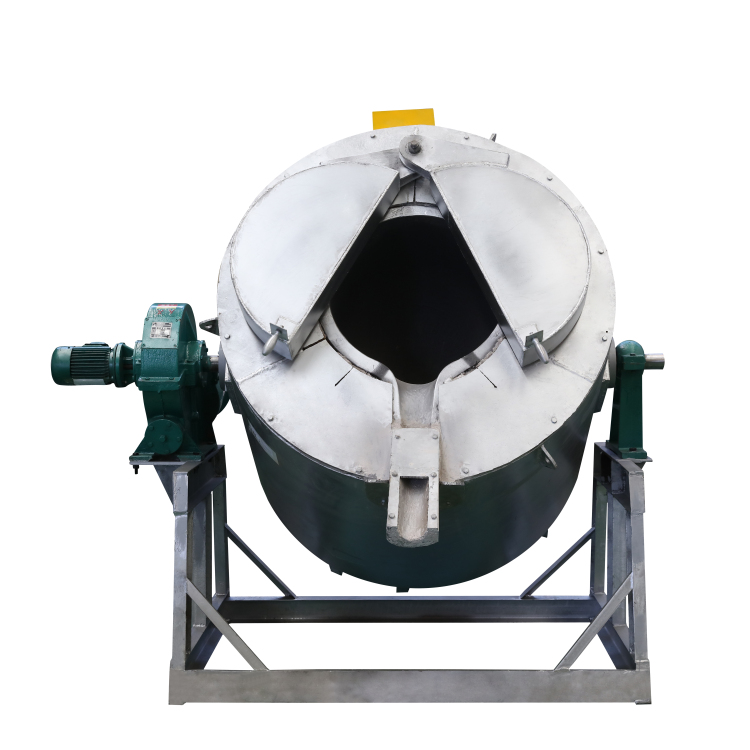
1. How Does a Copper Melting Induction Furnace Work?
An induction melting furnace generates heat through electromagnetic induction. Alternating current passes through a water-cooled induction coil, producing a changing magnetic field. When conductive metal is placed inside the furnace, this magnetic field induces electrical currents in the metal. The electrical resistance of the material generates heat, gradually melting the charge.
As the metal becomes molten, electromagnetic forces also create movement within the bath. This stirring effect helps distribute heat and alloying elements throughout the molten metal.
A medium-frequency induction melting system generally consists of several main components:
- Power supply: Provides the electrical power required for induction heating.
- Induction coil: Generates the alternating magnetic field around the furnace.
- Furnace body: Holds the metal charge and molten copper.
- Refractory lining: Separates the molten metal from the furnace structure and induction coil.
- Cooling system: Supports the operation of water-cooled components.
- Control system: Allows operators to manage and monitor furnace operation.
The actual system configuration depends on the furnace capacity, metal type, production requirements, and installation conditions.
The induction melting and metal recycling equipment range provides an overview of the available equipment for industrial metal processing applications.
2. What Materials Can a Copper Induction Furnace Process?
Copper induction melting equipment can be used for different copper-bearing materials, provided that the feedstock is suitable for the selected furnace and production process.
Common materials include:
| Material | Typical Feedstock | Main Consideration |
|---|---|---|
| Pure copper | Copper ingots and clean copper scrap | Maintain the required copper quality |
| Copper production scrap | Manufacturing returns and copper offcuts | Check for foreign materials and contamination |
| Copper wire scrap | Recovered copper conductors | Remove unsuitable insulation and contaminants before charging |
| Brass | Copper-zinc alloy materials | Control the required alloy composition |
| Bronze | Copper-tin alloy materials | Maintain the required alloy composition |
These materials should not be treated as interchangeable. Pure copper, brass, and bronze have different chemical compositions, which affect the properties of the final metal.
For example, mixing different copper alloys without checking their composition can change the final alloy grade. Scrap containing insulation, oil, coatings, or other unwanted materials may also require additional preparation before melting.
The furnace and its supporting systems should therefore be selected according to the actual material being processed, rather than assuming that all copper-bearing scrap can follow the same melting procedure.
3. Copper Scrap Preparation Before Induction Melting
Copper scrap preparation is an important part of the recycling process. The appropriate treatment depends on the type, size, composition, and condition of the incoming material.
The preparation stage may involve the following operations.
Sorting and identification
Separate copper from other metals and distinguish different copper alloys where necessary. This helps maintain control over the chemical composition of the melting charge.
Removal of unwanted materials
Remove unsuitable attachments, insulation, dirt, oil, and other contaminants according to the condition of the scrap.
Size reduction
Large or irregular scrap may need to be cut or processed into a form suitable for handling and furnace charging.
Charge preparation
Organize the prepared material according to its composition and the required melting batch.
The required preparation method varies with the feedstock. Clean manufacturing returns, copper wire scrap, mixed copper scrap, and metallurgical residues may require different treatment routes.
It is also important to distinguish melting from refining. An induction furnace can melt suitable copper-bearing materials, but melting alone does not guarantee the removal of all impurities or produce refined copper from every type of scrap. Low-grade or complex feedstock may require additional treatment and refining operations.
4. Key Factors When Selecting a Copper Melting Induction Furnace
Choosing a copper melting induction furnace requires more than checking its rated capacity. Buyers should evaluate the complete production requirements before deciding on an equipment configuration.
4.1 Copper Material and Chemical Composition
The first step is to identify exactly what the furnace will process.
A system designed for clean copper scrap may not be suitable for every type of mixed metal waste. Brass and bronze also require attention to alloy composition because their alloying elements affect the final material.
Before requesting an equipment proposal, clarify whether the main feedstock is:
- Pure copper or copper ingots
- Clean copper production scrap
- Recovered copper wire or cable
- Brass or bronze scrap
- Mixed copper-bearing materials
Providing accurate material information helps the supplier evaluate the appropriate furnace arrangement and operating requirements.
4.2 Furnace Capacity and Production Output
Furnace capacity should match the actual batch requirement and production schedule.
Buyers should distinguish between the weight of one melting batch and the total output required per day. A furnace selected only by nominal capacity may not meet the production target if charging, melting, tapping, and other operating steps are not considered.
Important information includes:
- Required metal weight per batch
- Target daily production
- Operating hours and production schedule
- Frequency of charging and tapping
- Whether different copper materials are processed separately
The complete production cycle should be evaluated when determining the required equipment capacity.
4.3 Power Supply Configuration
The power supply is an essential part of an induction melting system. Its configuration must match the furnace, metal type, and required production rate.
When evaluating a system, buyers should confirm the available plant power supply, the required furnace output, and the electrical configuration proposed by the equipment supplier.
Rated power should not be considered separately from furnace capacity and production targets. These parameters need to be matched as part of the overall equipment design.
4.4 Refractory Lining Compatibility
The refractory lining is in direct contact with the metal charge or molten bath. Its selection should take into account the material being melted, operating conditions, and the characteristics of the slag.
Different copper materials and alloy compositions may require different lining considerations. Buyers should confirm the recommended refractory material and installation requirements with the furnace supplier rather than assuming that one lining is suitable for every application.
4.5 Cooling and Auxiliary Systems
An induction melting furnace is not just a furnace body. Its supporting systems also need to be considered during equipment selection.
Depending on the configuration, the system may include:
- Medium-frequency power supply
- Water-cooled induction coil
- Cooling equipment
- Furnace tilting and pouring mechanism
- Electrical control and protection components
- Necessary charging and material-handling equipment
The auxiliary equipment should be selected according to the production process and site conditions.
For a broader explanation of induction melting equipment in foundry operations, see the guide to induction melting furnace applications and selection.
4.6 Fume Extraction and Workplace Safety
Copper scrap preparation and melting may generate dust, fumes, or other emissions, depending on the feedstock and operating conditions.
Scrap containing oil, insulation, plastics, or other contaminants should be evaluated and treated appropriately before charging. Suitable ventilation and fume collection arrangements should also be considered as part of the production layout.
The required environmental controls depend on the material, process, plant location, and applicable regulations. They should be confirmed during project planning rather than assumed to be identical for every installation.
5. Copper Melting Furnace Selection Checklist
Before purchasing a copper melting induction furnace, buyers can use the following checklist to organize their requirements.
| Selection Item | Information to Prepare |
|---|---|
| Metal type | Pure copper, copper scrap, brass, or bronze |
| Raw material condition | Ingots, clean scrap, wire, offcuts, or mixed materials |
| Material composition | Known grade or available chemical analysis |
| Batch capacity | Required weight per melting batch |
| Production target | Required output and operating schedule |
| Power supply | Available electrical capacity and site conditions |
| Cooling system | Required cooling arrangement |
| Final product | Molten copper for casting, ingots, or further processing |
| Auxiliary equipment | Charging, pouring, fume extraction, and material handling |
These details help the equipment supplier evaluate the application and recommend a suitable configuration.
Comparing Equipment Quotations
When comparing different furnace proposals, buyers should evaluate the complete scope of supply rather than comparing the furnace body price alone.
Check whether the quotation includes:
- Furnace body and refractory arrangement
- Medium-frequency power supply
- Cooling system
- Electrical control and protection components
- Tilting and pouring mechanism, if required
- Installation and commissioning support
- Operator training and technical documentation
- Recommended spare parts and maintenance requirements
It is also important to confirm which items must be provided by the buyer, such as plant utilities, foundations, workshop arrangements, and material-handling equipment.
A clear equipment scope makes it easier to compare proposals and understand the actual project investment.
For more information about the equipment supplier's manufacturing and project capabilities, visit the company profile.
6. Frequently Asked Questions
Can an induction furnace melt copper scrap?
Yes. An induction melting furnace can melt suitable copper scrap. However, the scrap should be evaluated and prepared according to its composition, size, and contamination level before charging.
Can the same furnace melt copper, brass, and bronze?
The suitability of one furnace for different copper materials depends on the furnace configuration, refractory lining, material composition, and operating procedure. Buyers should confirm material compatibility and changeover requirements with the equipment supplier.
Does a copper melting induction furnace refine copper scrap?
Not necessarily. Melting converts suitable solid copper-bearing material into molten metal, but it does not automatically remove all impurities. Mixed or low-grade scrap may require additional pretreatment, smelting, or refining operations.
What information is needed to select a copper melting furnace?
The most important information includes the copper material type, chemical composition if available, scrap condition, required batch capacity, target production output, available power supply, and final product requirements.
What auxiliary equipment may be needed?
The required auxiliary equipment depends on the production process. A system may include a cooling unit, charging equipment, furnace tilting mechanism, fume extraction equipment, and downstream casting or metal-handling equipment.
Conclusion
A copper melting induction furnace is used to melt copper and suitable copper-bearing materials for metal recycling, foundry production, and further processing. Selecting the right equipment requires a clear understanding of the feedstock, production capacity, electrical configuration, refractory requirements, cooling system, and auxiliary equipment.
For clean copper scrap and selected copper alloys, the melting process can be planned around the required batch and final product. For mixed or contaminated materials, pretreatment and additional refining operations may also be necessary.
A suitable equipment configuration should therefore be based on the actual raw materials and production conditions, not on furnace capacity alone.
For a copper melting or recycling project, contact the technical team with your material type, batch requirement, and production target to discuss a suitable furnace configuration.