
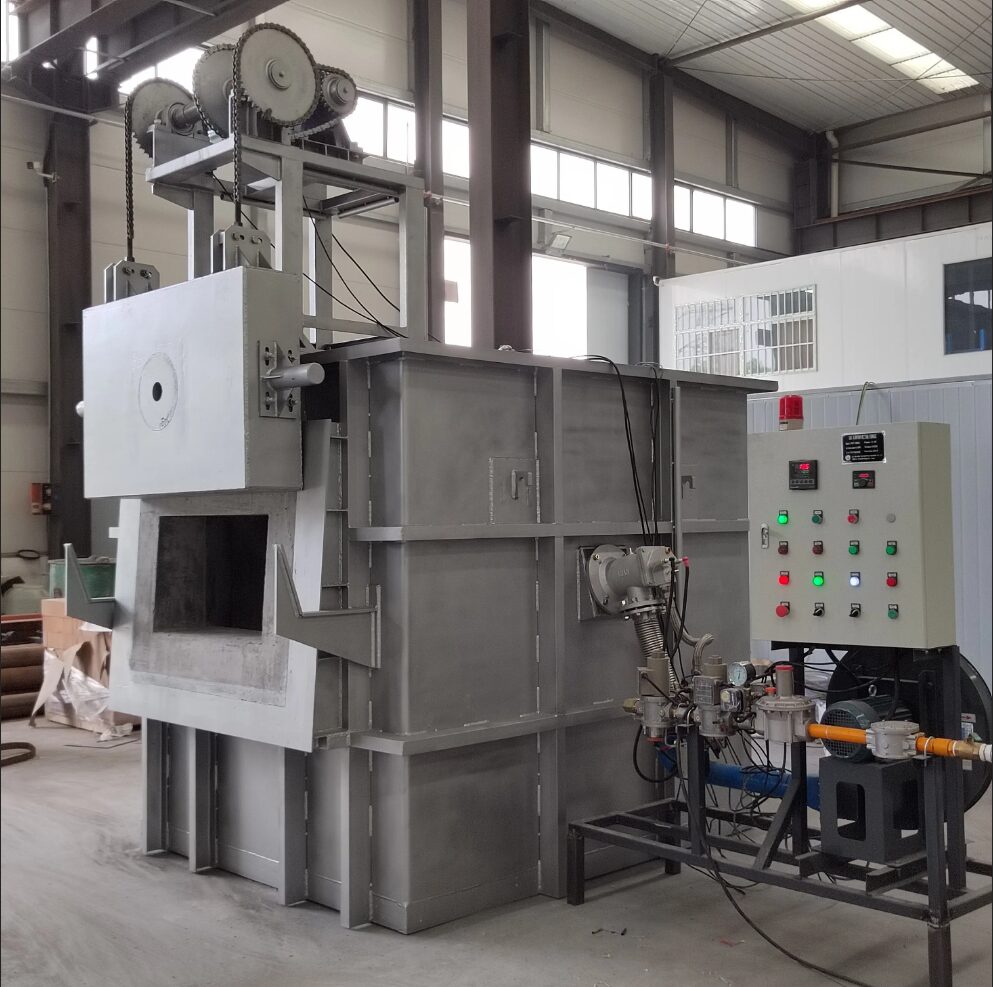
When an aluminum foundry needs to melt a steady supply of aluminum ingots, scrap, or casting returns, the furnace is one of the main pieces of equipment affecting production capacity and operating cost. A Gas-Fired Melting Furnace uses fuel combustion to generate heat for melting aluminum and can be configured for different charging methods, capacities, and production requirements.
For buyers, choosing a furnace is not simply a matter of selecting a rated capacity. The type of aluminum being charged, required melting output, burner system, furnace structure, temperature control, and molten metal transfer method all need to match the production process.
This guide explains how a gas-fired melting furnace works, what aluminum materials it can process, what factors affect melting performance, and what buyers should consider before ordering equipment.
What Is a Gas-Fired Melting Furnace?
A Gas-Fired Melting Furnace is an industrial furnace that uses natural gas, LPG, or another suitable fuel as the primary heat source. The burner produces a controlled flame, and the resulting heat is transferred to the furnace chamber and aluminum charge until the metal reaches its required melting temperature.
For aluminum processing, the furnace may be used to melt:
- Aluminum ingots
- Aluminum scrap
- Casting returns
- Extrusion scrap
- Recycled aluminum products
- Other aluminum feedstock suitable for the furnace design
The molten aluminum can then be transferred to a casting machine, holding furnace, die casting system, or other downstream process.
The furnace structure and burner arrangement depend on the required capacity and production process. Smaller operations may use crucible-type designs, while larger production systems may use larger chambers designed for continuous or high-volume melting.
How Does a Gas-Fired Melting Furnace Work?
Although furnace designs vary, the basic melting process follows several stages.
1. Charging the Aluminum
The aluminum material is loaded into the furnace according to the designed charging method.
The charge may consist of ingots, clean production scrap, casting returns, or prepared recycled aluminum. Charge size and condition affect how efficiently heat can be transferred into the material.
For recycled aluminum, removing excessive moisture, oil, and unwanted materials before charging is particularly important for safe and stable furnace operation.
2. Fuel Combustion
The burner mixes fuel and combustion air and produces the heat required for melting.
A properly selected burner system needs to provide sufficient heat while allowing the operator or control system to regulate the firing rate. Burner performance therefore has a direct effect on heating speed, temperature stability, and fuel consumption.
3. Heat Transfer to the Aluminum
The heat generated by combustion is transferred through the furnace atmosphere, walls, and other heated surfaces to the aluminum charge.
The furnace lining plays an important role in this process. Adequate insulation reduces heat loss through the furnace walls and helps maintain a stable operating temperature.
The design of the combustion chamber and the movement of hot gases also affect how evenly heat reaches the aluminum.
4. Temperature Control
Once the aluminum begins to melt, temperature control becomes important for maintaining consistent molten metal conditions.
Depending on the furnace configuration, temperature sensors and automatic controls can be used to monitor and regulate the furnace temperature.
Operators should avoid unnecessary overheating because excessive temperature can increase oxidation and energy consumption without providing a production benefit.
5. Molten Aluminum Transfer
After sufficient aluminum has been melted, the molten metal is removed from the furnace for the next production stage.
The transfer method depends on the furnace design and downstream process. It may involve manual handling for smaller operations or a designed transfer system for larger production lines.
What Aluminum Materials Can Be Melted?
One of the first questions buyers should ask is whether the furnace is suitable for their actual charge material.
Aluminum Ingots
Primary or remelt aluminum ingots provide a relatively consistent charge and are commonly used when the foundry requires predictable molten metal quality.
Because the dimensions and composition of ingots are generally more consistent than mixed scrap, furnace loading and melting conditions can also be easier to control.
Aluminum Scrap
A Gas-Fired Melting Furnace can be used to process various forms of aluminum scrap when the furnace is properly designed for the material.
Scrap may have a lower bulk density than ingots, meaning that charging methods and loading frequency become important. Lightweight scrap can also oxidize more readily if it remains exposed to high temperatures for extended periods.
Extrusion Scrap
Aluminum extrusion plants can generate off-cuts and rejected profiles that need to be remelted.
These materials can be returned to the melting process, provided they are properly prepared and compatible with the furnace and intended alloy system.
Casting Returns
Foundries can recycle runners, gates, risers, and other suitable casting returns. Reusing these materials can reduce material waste and return useful metal to the production cycle.
However, the charge should be properly sorted when different aluminum alloys are involved.
Aluminum Cans and Other Recycled Materials
Prepared beverage cans and other recycled aluminum products can also be processed in suitable furnace systems.
For lightweight recycled materials, charging efficiency, oxidation control, and material preparation are particularly important considerations.
Common Gas-Fired Melting Furnace Designs
The appropriate furnace structure depends on capacity, material, operating method, and production requirements.
Crucible Furnace
A crucible furnace uses a refractory or metallic crucible to contain the aluminum while the burner supplies heat around it.
This type of design is commonly associated with smaller-scale melting operations because of its relatively simple structure and straightforward operation.
Tilting Melting Furnace
A tilting design allows the furnace or melting chamber to be tilted for molten metal discharge.
This can simplify metal transfer and reduce the need for manual handling during pouring.
For applications where controlled molten metal discharge is important, a Tilting Melting Furnace may be incorporated into the production system.
Reverberatory Furnace
A reverberatory furnace uses a larger melting chamber in which heat from the combustion system is transferred to the charge through the furnace atmosphere and heated surfaces.
This type of furnace can be designed for larger aluminum melting requirements and higher production volumes.
The exact configuration should be selected according to the required melting rate, charge material, available space, and downstream casting process.
Where Are Gas-Fired Melting Furnaces Used?
A Gas-Fired Melting Furnace can serve different stages of aluminum processing.
Aluminum Foundries
Foundries use melting furnaces to convert solid aluminum feedstock into molten metal for casting.
The required furnace capacity depends on the casting output, batch size, operating schedule, and downstream casting equipment.
For a complete foundry setup, the melting furnace may work together with other equipment in an Aluminum Foundry production system.
Aluminum Recycling
Recycling facilities melt recovered aluminum after sorting and preparing the incoming material.
The furnace needs to accommodate the physical characteristics of the recycled charge while maintaining stable melting conditions.
The overall recycling process may include sorting, shredding, charging, melting, slag handling, and casting.
Die Casting Production
Die casting operations require a reliable supply of molten aluminum at the required temperature and production rate.
The furnace capacity and molten metal transfer arrangement should therefore be matched with the die casting machine and production cycle.
Aluminum Casting Lines
In larger production systems, the melting furnace can form part of an integrated Aluminum Casting Line.
In this type of application, furnace output must be coordinated with downstream casting equipment rather than considered as an independent piece of equipment.
What Affects Gas-Fired Melting Furnace Performance?
The rated capacity of a furnace does not tell the whole story. Actual melting performance depends on several operating factors.
Burner Efficiency and Control
The burner needs to provide the required heat while maintaining stable combustion.
Poor burner adjustment can lead to incomplete combustion, unstable temperature, increased fuel consumption, or uneven heating.
Furnace Insulation
Heat loss through the furnace body directly affects energy efficiency.
A properly designed refractory and insulation system helps maintain furnace temperature and reduces unnecessary heat loss during operation.
Charge Material
Clean, dry, and properly prepared aluminum generally provides more predictable melting conditions than mixed or contaminated material.
The physical form of the charge also matters. Lightweight scrap, compacted scrap, ingots, and casting returns behave differently during charging and melting.
Furnace Loading
Overloading the furnace can reduce heat transfer and extend the melting cycle. Charging too slowly can also increase the time that the furnace operates without producing molten metal.
An appropriate charging strategy helps maintain a stable balance between furnace capacity and production output.
Operating Temperature
Running the furnace significantly hotter than necessary can increase oxidation and energy use.
The operating temperature should be controlled according to the aluminum alloy, casting requirements, and downstream process.
How to Choose a Gas-Fired Melting Furnace
Before purchasing a Gas-Fired Melting Furnace, buyers should define the actual production requirements rather than selecting equipment based only on the furnace name or nominal capacity.
1. Determine Required Melting Capacity
Estimate how much aluminum needs to be melted per batch, per hour, or per day.
The furnace should provide enough capacity for the production schedule while avoiding unnecessary oversizing.
2. Define the Charge Material
Tell the furnace manufacturer exactly what materials will be processed.
For example, aluminum ingots and clean casting returns have different charging characteristics from loose scrap or lightweight recycled aluminum.
3. Check Fuel Availability
The available fuel source needs to match the burner system.
Natural gas and LPG have different supply requirements, so the local fuel infrastructure should be considered before finalizing the furnace configuration.
4. Select the Furnace Structure
The furnace structure should match the required production method, discharge method, available space, and expected operating frequency.
A small batch operation and a high-volume foundry may require very different furnace configurations even when both process aluminum.
5. Consider Temperature and Automation Requirements
For operations requiring consistent molten metal conditions, temperature measurement and automatic burner control can reduce operator workload and improve process consistency.
The appropriate level of automation depends on the production scale and the customer's operating requirements.
6. Consider the Complete Production Process
The furnace should not be selected independently from the rest of the production line.
Consider how aluminum will be charged, melted, held, transferred, cast, and eventually processed. This helps determine the required furnace capacity and discharge configuration.
Maintenance Considerations
Regular maintenance helps maintain stable furnace performance over the equipment's service life.
Important maintenance tasks may include:
- Inspecting refractory and insulation
- Checking burner condition
- Cleaning accumulated residues
- Inspecting temperature sensors
- Checking fuel and air supply systems
- Inspecting control components
- Checking doors, seals, and moving mechanisms
- Removing accumulated dross when required
Maintenance intervals depend on the furnace design, operating hours, charge material, and working environment.
For facilities operating the furnace for long periods each day, preventive maintenance is particularly important because small combustion or refractory problems can gradually affect melting performance.
Frequently Asked Questions
What fuel can a gas-fired melting furnace use?
Depending on the burner configuration, a furnace may be designed for natural gas, LPG, or another suitable gaseous fuel. The available fuel supply should be confirmed before the furnace is designed.
Can a gas-fired melting furnace melt aluminum scrap?
Yes. A suitable furnace can process different types of aluminum scrap. However, scrap size, density, cleanliness, moisture, and alloy composition should be considered when selecting the furnace configuration.
How do I choose the capacity of a gas-fired melting furnace?
Start with the required aluminum output rather than simply choosing the largest available furnace. Batch size, melting rate, operating hours, charge material, and downstream casting capacity should all be considered.
Is a gas-fired furnace suitable for aluminum recycling?
It can be used for aluminum recycling when the furnace is properly configured for the type of recycled material being processed. Scrap preparation and charging methods are important parts of the overall process.
What information should I provide when requesting a furnace quotation?
A manufacturer will normally need information such as the aluminum material, required melting capacity, expected production schedule, available fuel, charging method, molten metal discharge requirements, and available installation space.
Contact Us
If you are planning an aluminum melting or recycling project, we can help you evaluate a suitable Gas-Fired Melting Furnace based on your material type, required melting capacity, production process, and available fuel supply.
We can also discuss furnace configuration, charging and discharge methods, temperature control, and integration with your existing or planned casting system.
Contact us to discuss your aluminum melting requirements and receive a suitable furnace solution.