
I. Introduction
The Induction Stainless Steel Melting Furnace has become a critical solution for modern metal processing industries, especially in stainless steel recycling, casting, and manufacturing. Designed for high-efficiency and precision melting, it meets the growing demand for scalable, energy-efficient industrial production.
In contrast, traditional stainless steel melting methods—such as resistance furnaces and coal-fired furnaces—are increasingly challenged by high energy consumption, slow heating rates, environmental pollution, and inconsistent heating performance. These limitations directly impact production efficiency, operating costs, and final product quality.
Against this backdrop, induction technology is gaining widespread adoption. This article explores the core advantages of induction systems and provides a clear induction melting furnace efficiency comparison with conventional equipment, helping industrial buyers better understand the real stainless steel induction melting benefits and make informed investment decisions.
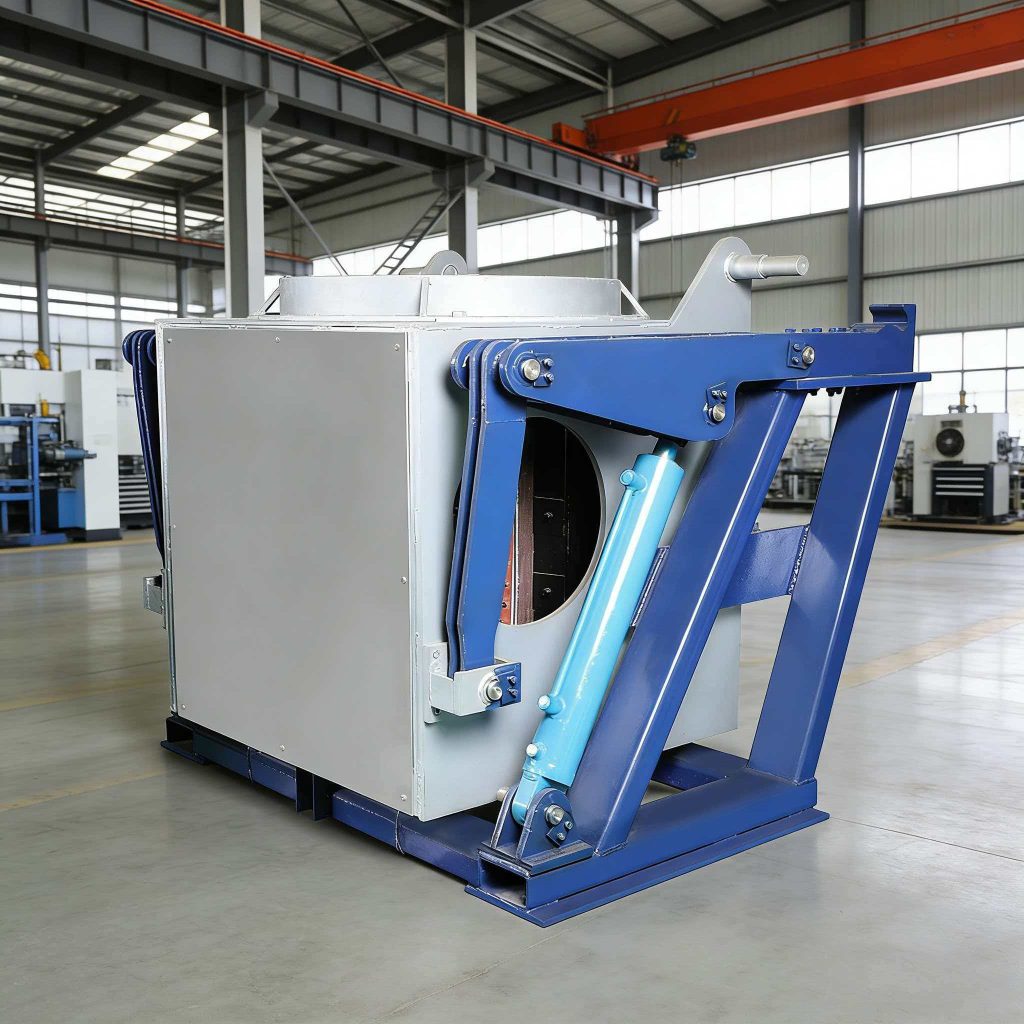
II. What is an Induction Stainless Steel Melting Furnace?
An Induction Stainless Steel Melting Furnace is an advanced thermal processing system that uses electromagnetic induction to generate heat directly inside the metal charge. Unlike traditional heating methods, which rely on external heat transfer (via fuel combustion or resistance elements), induction heating produces heat internally through eddy currents, ensuring faster and more efficient melting.
This type of furnace is widely used in:
- Stainless steel scrap recycling and remelting
- Precision casting and foundry operations
- Stainless steel product manufacturing
- Automotive and industrial component production
Key characteristics include:
- Rapid heating and short melting cycles
- Precise temperature control for different stainless steel grades
- Clean and environmentally friendly operation
These features lay the foundation for its superior performance, which will be explored in detail below.
III. Core Benefits of Induction Stainless Steel Melting Furnace
1. Energy-Saving & Cost-Reducing
Energy efficiency is one of the most significant advantages. Compared to traditional furnaces:
- 30%+ energy savings vs. coal-fired furnaces
- 20%+ energy savings vs. resistance furnaces
Induction systems convert electrical energy directly into heat within the metal, minimizing thermal losses. Additionally, the absence of fuel combustion eliminates fuel waste and reduces raw material oxidation loss, further lowering operating costs.
2. High Melting Efficiency
Induction furnaces offer exceptional melting speed:
- Stainless steel can reach melting temperatures (1450°C–1550°C) within 30–60 minutes
- A 1-ton capacity furnace can typically melt a full charge in about 40 minutes
This significantly shortens production cycles, enabling higher throughput and better alignment with industrial-scale production demands.
3. Uniform Heating & High Product Quality
Electromagnetic stirring during induction heating ensures:
- Uniform temperature distribution
- Homogeneous chemical composition
- Reduced impurity segregation
This directly improves the quality of stainless steel castings, reducing defects and lowering rejection rates—critical for industries with strict quality requirements.
4. Clean & Environmentally Friendly
Induction furnaces operate without combustion, resulting in:
- No harmful gas emissions
- No slag or soot generation
- Minimal dust pollution
They comply with international environmental standards (such as CE and ISO requirements), making them ideal for companies operating in regions with strict environmental regulations.
5. Easy Operation & Low Maintenance
Modern induction systems are highly automated:
- PLC-based control systems enable precise operation
- Minimal manual intervention required
- Fewer wear parts compared to resistance or coal furnaces
Maintenance is simpler and less frequent, reducing both labor costs and downtime.
6. Safe & Stable Operation
Safety is significantly enhanced due to:
- No open flames or combustion risks
- Built-in protections (overcurrent, overheating, leakage detection)
- Stable operation with low failure rates
This ensures continuous production while minimizing safety hazards in industrial environments.
IV. Efficiency Comparison: Induction vs. Traditional Stainless Steel Melting Furnaces
1. Melting Efficiency Comparison
- Induction Furnace:
Fast heating, short cycles; a 1-ton system can melt stainless steel in ~40 minutes - Resistance / Coal Furnace:
Slower heating; typically requires 60–90 minutes for the same capacity
Conclusion: Induction furnaces improve melting efficiency by approximately 30–50%.
2. Energy Efficiency Comparison
- Induction Furnace:
Power consumption ≤ 600 kWh per ton of stainless steel - Resistance Furnace:
≥ 800 kWh per ton - Coal Furnace:
High fuel consumption with additional heat loss
Conclusion: Induction technology significantly reduces energy costs over long-term operation.
3. Production Continuity Comparison
- Induction Furnace:
Reliable operation, supports 24/7 continuous production with minimal downtime - Traditional Furnaces:
Frequent issues such as resistance wire burnout or unstable fuel supply
Conclusion: Induction systems ensure higher production stability and consistency.
4. Cost Efficiency Comparison
- Induction Furnace:
Moderate initial investment, but lower long-term costs due to energy savings, reduced maintenance, and higher productivity - Traditional Furnaces:
Lower upfront cost but higher ongoing expenses (energy, maintenance, environmental compliance)
Conclusion: Induction furnaces deliver superior total cost performance over the equipment lifecycle.
V. Practical Application Cases
- Case 1: Stainless Steel Recycling Plant
After replacing a coal-fired furnace with a 1-ton induction system, the plant improved melting efficiency by 40% and reduced monthly energy costs by over $20,000, while meeting environmental compliance standards. - Case 2: Precision Casting Manufacturer
By adopting a 500 kg induction furnace, the company reduced casting defect rates by 15% and shortened production cycles by 30%, resulting in a significant increase in overall productivity.
VI. Conclusion
The Induction Stainless Steel Melting Furnace stands out as a high-efficiency, energy-saving, and environmentally friendly solution for modern stainless steel melting applications. Compared to traditional furnaces, it offers clear advantages in melting speed, energy consumption, operational stability, and product quality.
For industries such as stainless steel recycling, casting, and manufacturing, adopting induction technology is not only a technical upgrade but also a strategic move toward cost optimization and sustainable production.
For customized models, detailed technical parameters, and factory quotations, contact us now. Our professional engineers will provide one-to-one solutions tailored to your stainless steel melting needs.