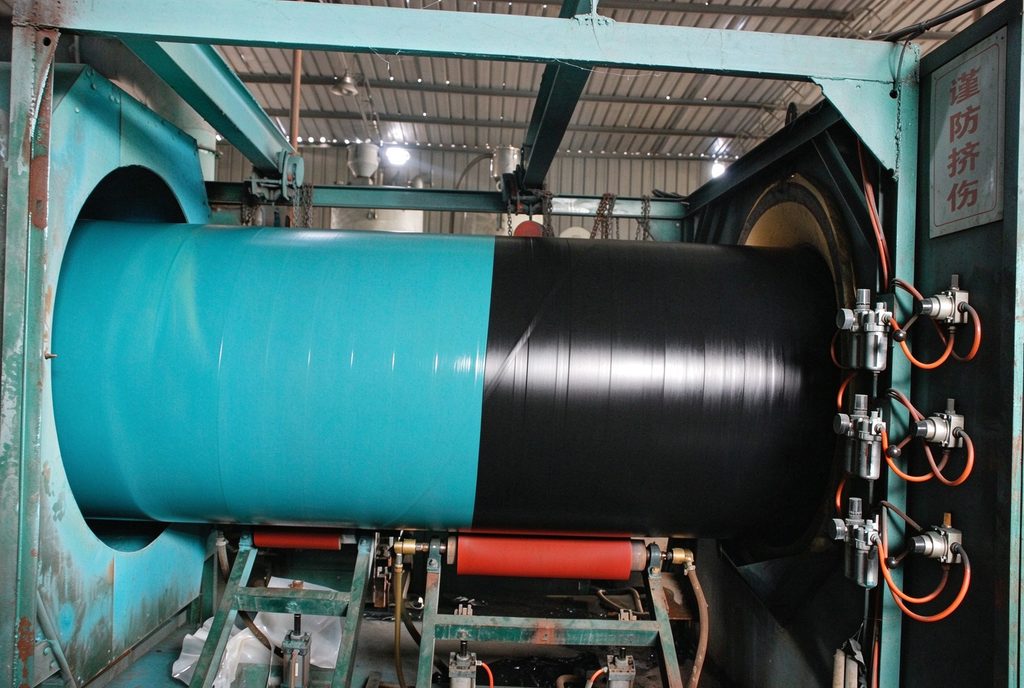
Steel pipes used in oil and gas transportation, water supply, and other underground pipeline applications require reliable external corrosion protection. One widely used solution is 3LPE coating, a three-layer polyethylene system that combines an epoxy primer, a copolymer adhesive, and a polyethylene outer layer.
The 3LPE coating process involves several connected production stages, including steel pipe surface preparation, induction heating, epoxy powder application, adhesive and polyethylene coating, cooling, and final inspection. Each stage affects the bonding and overall quality of the finished coating.
For pipeline manufacturers and coating facilities, choosing a suitable production line requires more than selecting coating materials. Surface preparation equipment, heating systems, coating application units, cooling arrangements, and inspection equipment must be coordinated to meet the required pipe specifications.
MFMelt provides a range of pipeline anti-corrosion equipment, including a dedicated 3LPE Steel Pipe Anti-corrosion Coating Production Line for industrial pipe coating applications.
What Is 3LPE Coating?
3LPE stands for three-layer polyethylene coating. It is an external corrosion protection system applied to steel pipes, particularly those used in buried or submerged pipeline transportation applications.
The system combines three different materials to provide complementary protection:
- Fusion-bonded epoxy (FBE) as the primer layer.
- Copolymer adhesive (AD) as the intermediate bonding layer.
- Polyethylene (PE) as the outer protective layer.
Unlike a single-layer coating, the three materials perform different functions and work together as a coating system.
ISO 21809-1 addresses factory-applied external three-layer polyethylene and polypropylene coatings for welded and seamless steel pipes used in petroleum and natural gas pipeline transportation systems.
Three Layers of the 3LPE Coating System
Understanding the function of each layer is important when selecting coating materials and configuring a production line.
1. Fusion-Bonded Epoxy (FBE) Primer
The first layer is fusion-bonded epoxy powder applied directly to the prepared steel pipe surface.
The powder is electrostatically sprayed onto the heated pipe. It melts and cures to form a continuous protective film.
The FBE layer provides:
- Adhesion to the prepared steel surface
- Primary corrosion protection
- A bonding surface for the intermediate adhesive
- A continuous protective barrier against corrosive environments
The quality of this layer depends on surface preparation, pipe temperature, powder properties, application conditions, and curing.
For more information about this individual coating technology, see our guide to the FBE coating process and equipment for steel pipes.
2. Copolymer Adhesive Layer
The second layer is a specially formulated copolymer adhesive.
Its main function is to create a strong bond between the FBE primer and the polyethylene outer layer.
This intermediate layer is important because epoxy and polyethylene have different material properties. Without a suitable bonding layer, the outer protection system may not achieve the required adhesion.
The adhesive must be compatible with both the epoxy primer and the polyethylene material.
Its application conditions, thickness, and bonding performance should be controlled according to the coating specification and material manufacturer's requirements.
3. Polyethylene (PE) Outer Layer
The third layer is polyethylene, which forms the external protective covering.
Its main functions include:
- Protecting the underlying layers against mechanical damage
- Reducing moisture penetration
- Providing resistance to many environmental and chemical exposures
- Protecting the pipe during transportation, installation, and service
The required polyethylene grade and coating thickness depend on the pipeline application and applicable project specification.
Three-Layer Structure and Published Product Parameters
MFMelt's 3LPE coating production line page publishes the following reference values:
| Layer | Material | Thickness listed on product page |
|---|---|---|
| First layer | Fusion-bonded epoxy | Greater than 100 μm |
| Second layer | Copolymer adhesive | 170–250 μm |
| Third layer | Polyethylene | 2.5–3.7 mm |
These are the values published for the listed equipment offering. They should not be interpreted as universal 3LPE coating requirements.
Actual coating thickness must be determined according to pipe dimensions, coating class, service conditions, and the applicable project specification.
3LPE Coating Process Step by Step
A typical plant-applied 3LPE pipe coating operation involves several coordinated stages. The exact equipment sequence may vary with the production line design and coating application method.
1. Steel Pipe Receiving and Surface Inspection
Before entering the coating line, steel pipes should be checked for their dimensions, surface condition, and suitability for coating.
Important inspection items include:
- Pipe outside diameter and length
- Steel grade and pipe identification
- Surface defects and mechanical damage
- Oil, grease, rust, and mill scale
- Existing contaminants that may affect coating adhesion
Defects that could affect coating quality should be addressed before further processing.
Pipe handling equipment must also prevent unnecessary surface damage during loading and transportation through the line.
2. Surface Preparation and Shot Blasting
Surface preparation is one of the most important stages in the 3LPE coating process.
The external steel surface must be cleaned to remove rust, mill scale, and other contaminants.
Abrasive blasting is commonly used to prepare the pipe surface and create the required surface profile for coating adhesion.
After blasting, the pipe should undergo dust removal and inspection.
The preparation stage should control:
- Surface cleanliness
- Surface roughness or anchor profile
- Residual abrasive and dust
- Oil and grease contamination
- Moisture and soluble salt contamination
The required cleanliness grade and surface profile should follow the approved coating procedure and applicable project standards.
Poor preparation can compromise adhesion between the steel and FBE primer, even when the coating materials and application equipment are suitable.
3. Induction Heating of Steel Pipes
After surface preparation, the steel pipe is heated to the temperature required for the coating application.
Induction heating is commonly used in industrial pipe coating lines because it can provide controlled heating of the steel pipe as it moves through the production process.
The heated pipe provides the thermal conditions required for the epoxy powder to melt, flow, and cure.
The heating system must be matched to:
- Pipe outside diameter and wall thickness
- Steel material and thermal characteristics
- Required coating temperature
- Production line speed
- Epoxy powder specifications
Temperature control is particularly important. Insufficient heating can affect epoxy melting and curing, while excessive heating may damage the coating material or create other process problems.
There is no single heating temperature suitable for every 3LPE coating line. The correct operating range must be established through the selected powder manufacturer's requirements and the qualified coating procedure.
4. FBE Powder Application
Once the pipe reaches the required application temperature, epoxy powder is applied to its external surface.
An electrostatic powder spraying system distributes the FBE material over the heated steel pipe.
The powder melts and cures to form the first protective layer.
Uniform application is important because inconsistent coverage or inadequate curing can affect the integrity of the coating system.
Important process considerations include powder condition, spraying distribution, pipe temperature, application timing, and curing requirements.
5. Adhesive and Polyethylene Application
After the epoxy primer has reached the appropriate condition for the next coating stage, the copolymer adhesive is applied.
The polyethylene outer layer is then applied over the adhesive.
Depending on the production line design, the outer layer may be formed through extrusion-based application or a suitable wrapping arrangement.
The processing method affects the equipment configuration, material application, and production parameters.
The adhesive and polyethylene application stages must be coordinated carefully to avoid:
- Poor bonding between coating layers
- Air entrapment
- Uneven coating thickness
- Discontinuous coverage
- Contamination between layers
A well-controlled process helps maintain continuity between the three protective layers.
6. Water Cooling
After coating application, the steel pipe passes through a controlled cooling section.
Water-based cooling is commonly used to lower the pipe and coating temperature before subsequent handling and inspection.
Cooling conditions should allow the coating to stabilize without causing damage during transfer or finishing.
The cooling arrangement must match the pipe dimensions, coating materials, and production line operating conditions.
7. Final Inspection and Pipe-End Processing
After cooling, the coated steel pipe undergoes quality inspection.
Depending on the project specification, inspection may include:
- Visual appearance inspection
- Coating thickness measurement
- High-voltage holiday detection
- Peel adhesion testing
- Impact resistance testing
- Cathodic disbondment testing where specified
Holiday detection identifies discontinuities in the electrically insulating coating that may expose the steel substrate.
Adhesion and impact tests help evaluate the performance of the coating system under specified test conditions.
Pipe-end processing is also important. The coating cutback, end preparation, marking, and handling arrangements should match the requirements for subsequent welding, installation, and transportation.
The acceptance limits and test frequency must be defined by the applicable standard and project inspection plan.
Equipment Used in a 3LPE Coating Production Line
A complete 3LPE coating line requires several equipment sections working together.
The typical production arrangement may include the following:
| Equipment | Main function |
|---|---|
| Pipe handling and conveyor system | Transfers steel pipes between processing stages |
| Surface preparation system | Removes rust, mill scale, and surface contaminants |
| Dust removal equipment | Removes residual abrasive and dust |
| Induction heating system | Heats steel pipes for coating application |
| FBE electrostatic spraying system | Applies the epoxy primer |
| Adhesive application system | Applies the intermediate bonding layer |
| PE application system | Forms the polyethylene outer coating |
| Water cooling system | Cools the coated pipe |
| Inspection equipment | Checks coating condition and quality |
| Pipe-end processing equipment | Prepares pipe ends for subsequent operations |
The final equipment configuration depends on the target pipe dimensions, production capacity, coating method, and quality requirements.
Not every line uses identical equipment arrangements. For example, extrusion-based and winding-based coating configurations require different application arrangements.
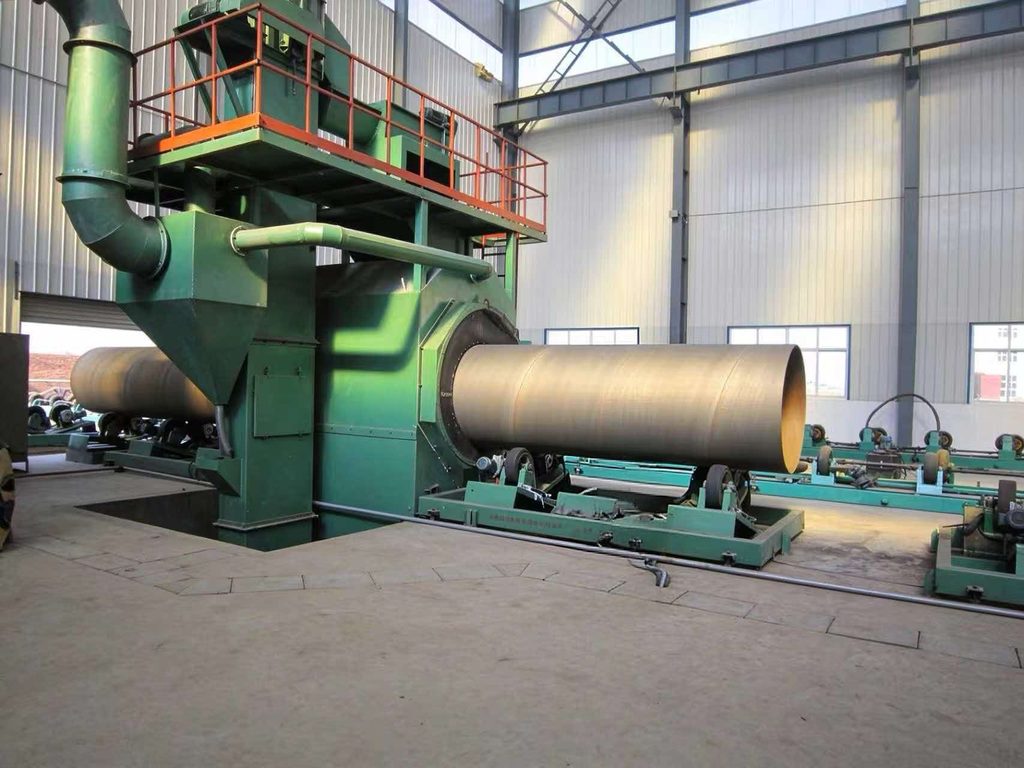
MFMelt 3LPE Steel Pipe Anti-Corrosion Coating Production Line
MFMelt lists a 3LPE Steel Pipe Anti-corrosion Coating Production Line in its pipeline anti-corrosion equipment range.
The line is designed around the three-layer polyethylene coating system, combining an epoxy powder primer, an intermediate adhesive layer, and a polyethylene outer layer.
The product page also identifies different coating application methods, including winding-type and circumferential coating arrangements.
For pipeline coating projects, equipment configuration should be determined according to the actual pipe and coating requirements rather than selecting a line based only on its general product category.
A technical proposal should clarify:
- Pipe outside diameter and length range
- Pipe wall thickness and material
- Required FBE, adhesive, and PE coating thicknesses
- Selected polyethylene application method
- Production output and operating schedule
- Surface preparation and induction heating requirements
- Cooling and inspection arrangements
- Pipe-end cutback and finishing requirements
MFMelt also lists a Large Steel Pipe Heating Induction Coil and a separate FBE powder spraying product within its pipeline anti-corrosion equipment range.
These related products provide additional equipment options for evaluating the heating and epoxy application stages.
For a broader overview of the available equipment and project configuration, refer to our pipeline anti-corrosion equipment solutions.
Quality Control Factors in 3LPE Pipe Coating
A reliable 3LPE coating process depends on controlling the complete production sequence.
Checking only the final appearance is not enough. The quality of the finished coating is influenced by surface preparation, material compatibility, heating, application, cooling, and handling.
Surface Cleanliness
Residual dust, salts, oil, or moisture can interfere with coating adhesion.
The surface preparation procedure should therefore define the required cleaning standard, surface profile, and inspection method.
Pipe Heating and Line Speed
The pipe surface must reach the temperature required for the selected epoxy material.
Heating conditions and production line speed need to be coordinated so the coating materials are applied within their specified process windows.
Coating Thickness
Each layer must meet the required thickness specification.
Excessively thin areas may provide inadequate protection, while uncontrolled excessive thickness can affect material consumption and coating application.
Interlayer Adhesion
The bond between the steel and FBE, as well as the bond between the FBE, adhesive, and PE layers, is important to overall coating performance.
Peel adhesion testing and other specified qualification tests help evaluate the coating system.
Coating Integrity
Holiday testing helps identify pores, pinholes, or other discontinuities in the finished protective layer.
Visual inspection, impact resistance, and other tests should be performed according to the approved inspection and test plan.
For pipeline projects, test methods and acceptance criteria should follow the applicable standard and the agreed coating specification, rather than relying on generic values.
How to Select a 3LPE Pipe Coating Line
Selecting a suitable production line requires a clear understanding of the intended steel pipe products and coating requirements.
1. Confirm Pipe Dimensions
The first step is to establish the actual range of pipes to be coated.
This includes outside diameter, wall thickness, pipe length, steel grade, and any other relevant dimensions.
These details influence conveyor arrangements, handling equipment, heating requirements, and coating application systems.
2. Determine the Required Coating Specification
Different projects may require different coating thicknesses, material grades, and inspection requirements.
The buyer should specify:
- Applicable coating standard
- Required FBE thickness
- Adhesive material and thickness
- PE material and thickness
- Operating temperature requirements
- Inspection and acceptance criteria
These specifications provide the basis for selecting the appropriate coating materials and line configuration.
3. Evaluate Production Capacity
The required production output should be established before selecting a coating line.
The assessment should consider the pipe dimensions, coating procedure, operating schedule, loading time, processing speed, cooling, and inspection arrangements.
A line's actual output should not be estimated from its conveyor speed alone.
4. Select the Coating Application Method
The selected application method affects the production line design.
Buyers should confirm whether the proposed configuration uses extrusion-based polyethylene application, winding, or another specified arrangement.
The selected method must be compatible with the coating material and project requirements.
5. Consider Inspection and Supporting Equipment
A coating production line should include suitable provisions for inspection and quality control.
Before purchasing, confirm which inspection devices, testing equipment, cooling arrangements, pipe-end processing systems, and auxiliary units are included in the supply scope.
The equipment quotation should clearly distinguish standard equipment from optional components.
FAQ About 3LPE Coating
What is the 3LPE coating process?
The 3LPE coating process applies three protective layers to the external surface of steel pipes: an FBE epoxy primer, a copolymer adhesive layer, and a polyethylene outer layer. The process generally includes surface preparation, heating, coating application, cooling, and final inspection.
What are the three layers of 3LPE coating?
The three layers are fusion-bonded epoxy (FBE), copolymer adhesive (AD), and polyethylene (PE). The epoxy provides the primer and corrosion protection, the adhesive bonds the layers, and the polyethylene provides external protection.
What is the difference between FBE and 3LPE coating?
FBE is a single-layer epoxy powder coating, while 3LPE combines FBE with an intermediate adhesive and a polyethylene outer layer. Consequently, a complete 3LPE production line requires additional equipment for adhesive and polyethylene application.
What is three layer polyethylene coating used for?
Three-layer polyethylene coating is commonly used for the external protection of steel pipes in buried or submerged pipeline applications, particularly in oil and gas transportation. Project selection depends on service conditions and the governing coating specification.
Why is induction heating used in 3LPE coating?
Induction heating raises the steel pipe surface to the required temperature before epoxy powder application. Proper temperature control helps the powder melt and cure to form the primer layer.
How is 3LPE coating quality inspected?
Inspection may include visual examination, coating thickness measurement, holiday detection, peel adhesion, and impact testing. Additional tests, such as cathodic disbondment, may be required by the project specification.
How do you choose a suitable 3LPE coating production line?
Selection depends on pipe diameter, wall thickness, length, required coating structure, production capacity, application method, and inspection requirements. The proposed line should be evaluated against the complete project specification.
Conclusion
The 3LPE coating process combines three complementary protective layers to improve the corrosion protection and mechanical performance of steel pipes.
Reliable coating quality depends on more than the selection of FBE, adhesive, and polyethylene materials. Surface preparation, induction heating, coating application, cooling, and inspection must all be coordinated according to the approved production procedure.
For steel pipe manufacturers and pipeline coating facilities, selecting a suitable 3LPE production line requires matching equipment configuration to pipe dimensions, coating specifications, production requirements, and quality inspection standards.
To discuss a suitable coating line configuration, contact our team with your pipe dimensions, required coating structure, target output, and applicable project specifications.